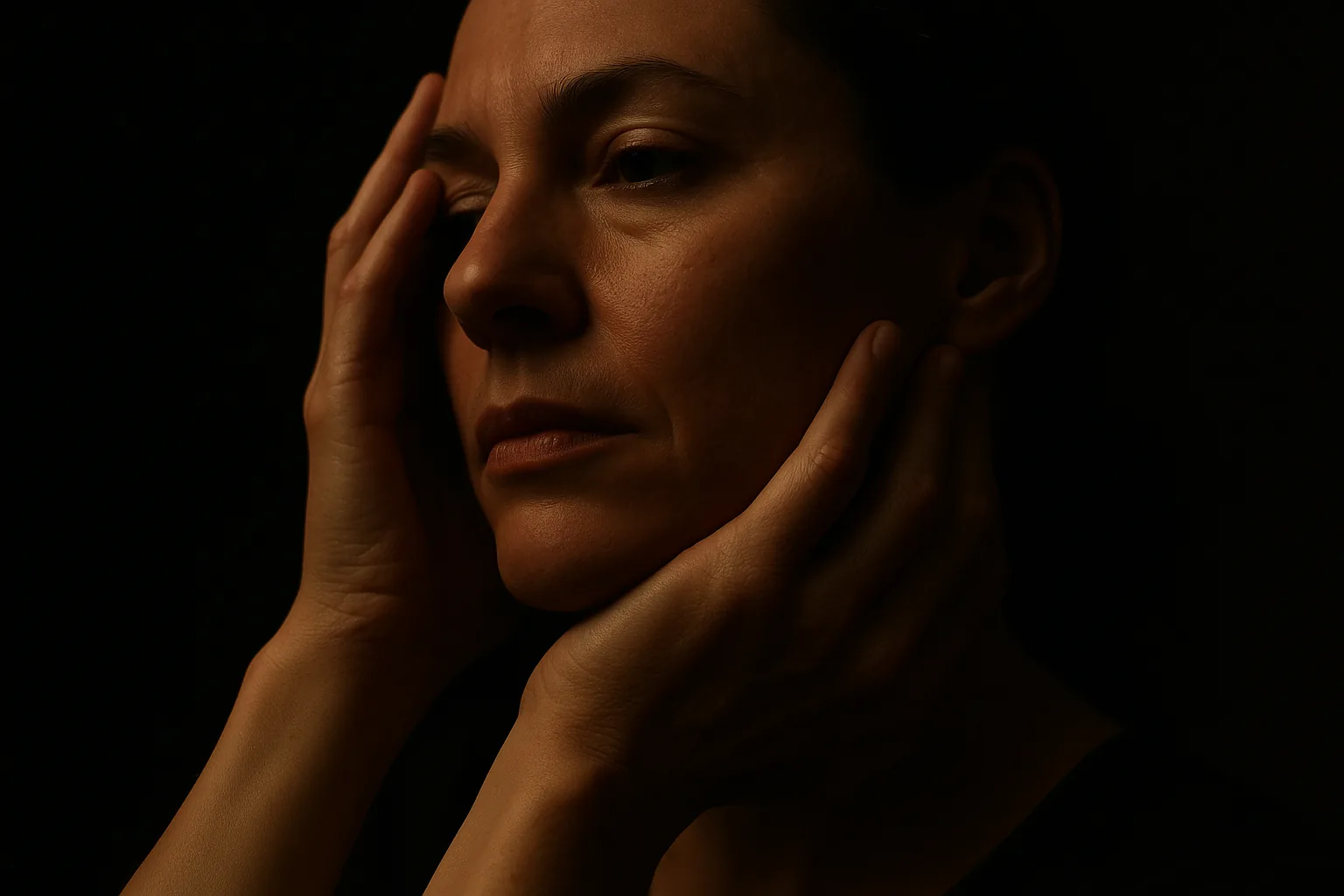
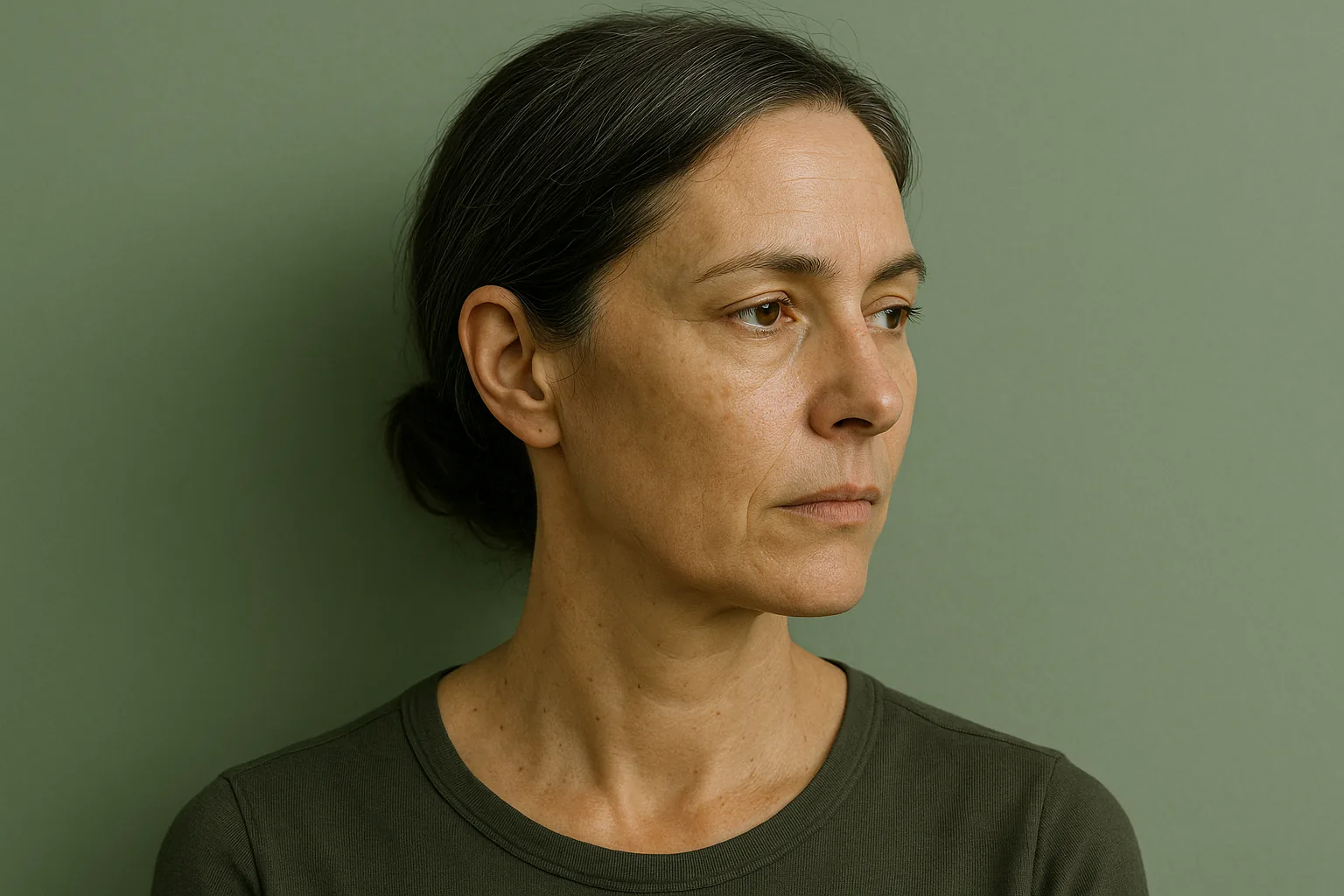
Ageing gracefully in your 40s, 50s, and beyond might be one of your skincare goals, but noticing wrinkles on your face and worrying about how to treat them could make you feel like you won't achieve it.
Although wrinkles are creases and folds in the skin, there are actually different types of them. Knowing about their differences is essential to help you find the best treatment.
Although there are various treatments that can help you reduce the appearance of wrinkles, they're not always right for every type of wrinkle. So, with this in mind, let's jump into the main differences between fine lines and wrinkles, and outline the best aesthetic treatments to help you achieve healthier, smoother skin.
What's the Difference Between Fine Lines and Wrinkles?
Fine lines are superficial creases in the skin that can appear anywhere on your face but usually show up in the most expressive areas, such as around your eyes, around your mouth, and on your forehead.
Fine lines are usually less than 1mm deep, but they can become deeper wrinkles over time. This happens because skin loses its collagen and elastin: important support structures that keep skin strong and firm. When skin starts to age and lose its flexibility and firmness, wrinkles can become permanent.
There are two types of deep wrinkles:
- Dynamic wrinkles. These are wrinkles that you only notice when your face is moving, such as if you have wrinkles around your mouth when you smile. Everyone has these types of wrinkles, but over time they can deepen and become static wrinkles.
- Static wrinkles. These creases and lines are visible when your face is at rest, so they're more permanent.
How are Fine Lines and Wrinkles Caused?
Both fine lines and deep wrinkles are caused by the same things. These include:
- Natural ageing. Our skin loses its elasticity and smoothness as we age.
- UV exposure. Whether from the sun or tanning beds, exposure to UV radiation damages the skin's collagen and elastin fibers.
- Smoking. Nicotine breaks down collagen, accelerating the skin-ageing process.
- Repetitive facial movements. Wrinkles can form in areas of the face that experience repetitive movements, such as squinting and raising eyebrows. Over time, the skin loses its ability to spring back.
Although fine lines and deep wrinkles have similar causes and fine lines can cause deeper wrinkles to form, it's not always the case that one treatment can work for both of them. You might have to try a few options to get the best results.
How to Treat Wrinkles: Match Treatments to Wrinkle Type Let's break down the best aesthetic options to treat fine lines and deep wrinkles.
Effective Treatments for Fine Lines
Targeted skincare products Retinoids are known as one of the most effective skincare ingredients to improve the appearance of fine lines. How they work is that they stimulate the skin's collagen production, but they can take months to show results.
Another wrinkle-reducing ingredient is alpha-hydroxy acids (AHAs), such as glycolic and lactic acid. Since they have exfoliating properties, they remove the outer layer of your skin so that you promote healthy skin cell growth. This can make fine lines less visible.
Light chemical peels
You can get a light, medium, or deep chemical peel. A light one is effective for superficial fine lines. In this treatment, a chemical solution is applied to your skin, peeling off the top layers so that you can reveal healthy, smoother skin underneath.
Wrinkle-relaxing treatments Wrinkle-rejuvenation treatments administered by an aesthetic professional relax the facial muscles so that dynamic wrinkles are less visible and don't become static, more permanent, wrinkles. This effect tends to last for a few months but with regular treatments you can prevent lines from deepening.
Effective Treatments for Deep Wrinkles
Some treatments used for fine lines, such as wrinkle-relaxing treatments, can also be used for deep wrinkles. However, sometimes deep wrinkles require a more intense approach. For example, instead of a light chemical peel, a medium or deep peel could be more effective. Sometimes treatments are combined, preferably under the guidance of a professional, to achieve desired results.
Here are some examples of deep wrinkle treatments. The bonus is that some of them, such as microneedling and polynucleotides, can also be used on fine wrinkles.
Microneedling is sometimes referred to as collagen induction therapy because it triggers your body to produce more collagen. It can be used to effectively treat wrinkles. You can combine microneedling with exosomes, tiny particles in cells that drive cell regeneration, to increase collagen production and skin healing.
Polynucleotides
Polynucleotide treatment is a skin rejuvenating approach containing salmon DNA to boost collagen production and improve skin structure. People in their 60s and beyond are reported to use polynucleotides for intensive skin repair, such as if they're dealing with sagging or deep wrinkles.
Thread lift Instead of having a surgical facelift, you could have a PDO thread lift instead. This uses advanced mesh technology, with biodegradable PDO (polydioxanone) suture threads being inserted into the skin to lift sagging areas and improve the appearance of wrinkles. It can be used on various facial areas, such as marionette lines and smile lines.
Bioremodelling
Bioremodelling improves deep wrinkles because it enhances skin cell nourishment. It contains hyaluronic acid that our bodies naturally produce but lose with age, hydrating the skin from within, while tightening it with collagen-stimulating properties.
There are also other skin treatments for fine lines and deep wrinkles that could be appropriate for your skin condition. If you're experiencing volume loss, you can have a full face rejuvenation to make your face fuller and smoother. This can help to make all types of wrinkles less visible.
How Long Do Treatments Take to Work?
Treating wrinkles might take a bit of time, especially if you're encouraging collagen and elastin growth to promote healthier skin. Let's look at all the treatments we've outlined in this article and explain how long it takes to see results.
-
Retinoids and AHAs: It can take three to six months of regular use to see retinoid results, while the best results appear from six to 12 months, as Harvard Health reports. A study in Clinical, Cosmetic and Investigational Dermatology found that nine out of 10 volunteers who used AHAs over three weeks experienced "significant" improvements in skin texture.
-
Light chemical peels: Your skin will shed for a few days after treatment, but this should resolve within 10 days, after which you should see results. Sometimes multiple treatments are required. It's safe to get a light chemical peel every two to five weeks.
-
Wrinkle-relaxing treatments: You'll usually see the results within 10-14 days. Results will take longer if you're treating areas of the face where wrinkles are deeper, such as between the eyebrows.
-
Microneedling: Results typically show up within a few weeks, but it can take up to a few months to see full results because your body has to produce more collagen, as the American Academy of Dermatology Association reports.
-
Polynucleotides: Since this is a regenerative treatment, you can expect to see natural and progressive results. Within a few weeks, you'll notice an improvement in skin texture and hydration. Over the course of several months, you'll see the full effects as elastin and collagen increase.
-
Thread lift: While some people see a lift immediately after their treatment, you can expect to see results after around 2-4 weeks. Over time, other results will also show up, such as improved skin texture and firmness.
-
Bioremodelling: The effects of bioremodelling are gradual. Although you can expect to see results within a few weeks, it can take months to see the full effects.
Final Thoughts
When you want to treat fine lines and wrinkles, it's worth consulting with a skincare professional because it's not easy to know which treatment is best for you. Contact Dr. Rakib Uddin at Aesthetic Doctors Australia. He delivers top treatments that improve skin radiance and texture, while being tailored to your specific skin concerns.
Book a consultation by calling 0451 670 083 or book online. Dr. Rakib will listen to your concerns, talk you through the available treatments so you are well informed, and provide a treatment plan that works for you.