Aesthetic Doctors Australia

Menu

Where would you like to begin?

Medical-grade collagen induction therapy in Kew, Melbourne

Microneedling Melbourne

Doctor-supervised microneedling with the microneedling, the only TGA-cleared microneedling device for medical use, for acne scars, texture, tone and collagen-induction treatment.

Reviewed by Dr Rakib Uddin AHPRA MED0001936872

  • Performed by Dr Rakib and his team
  • Personalised assessment first
  • Clear advice, including when not to treat
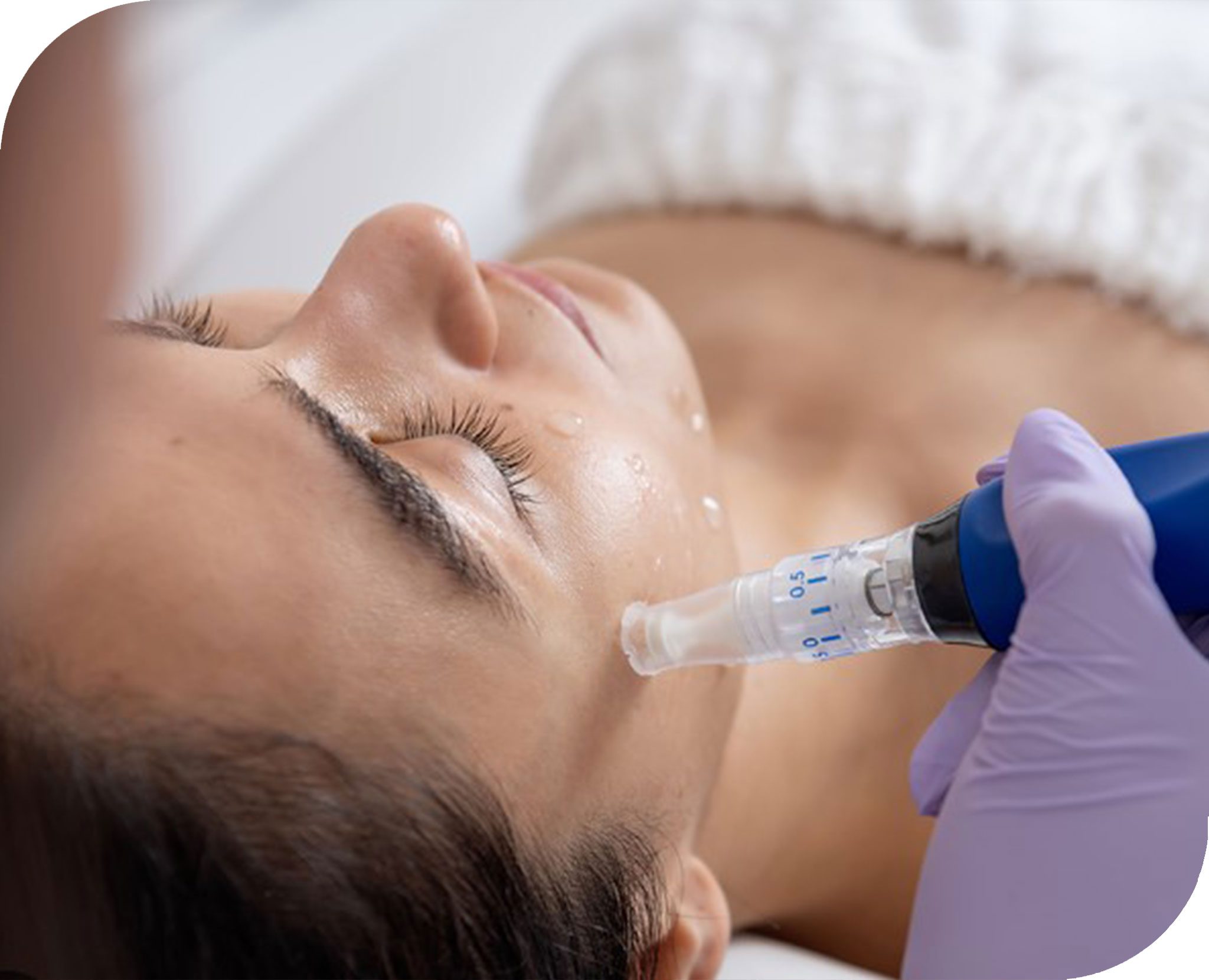
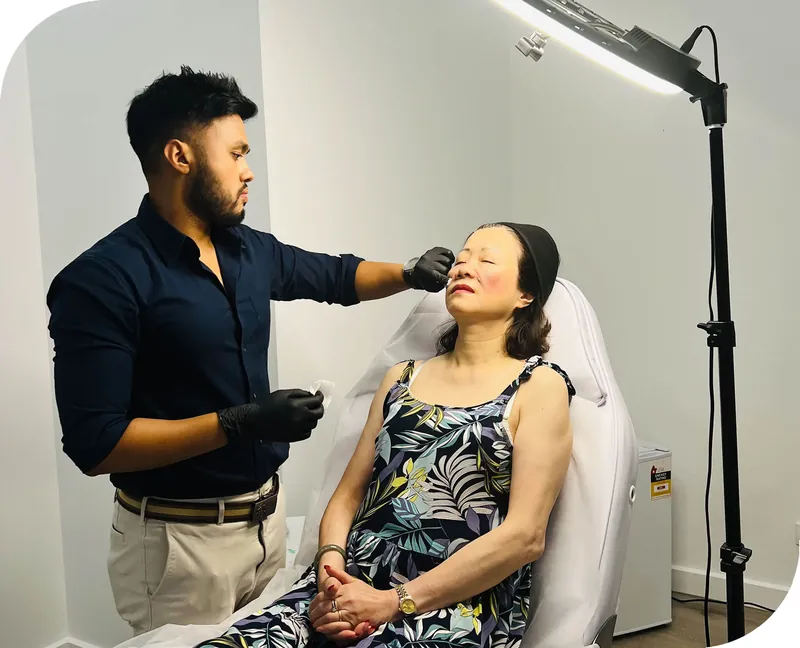
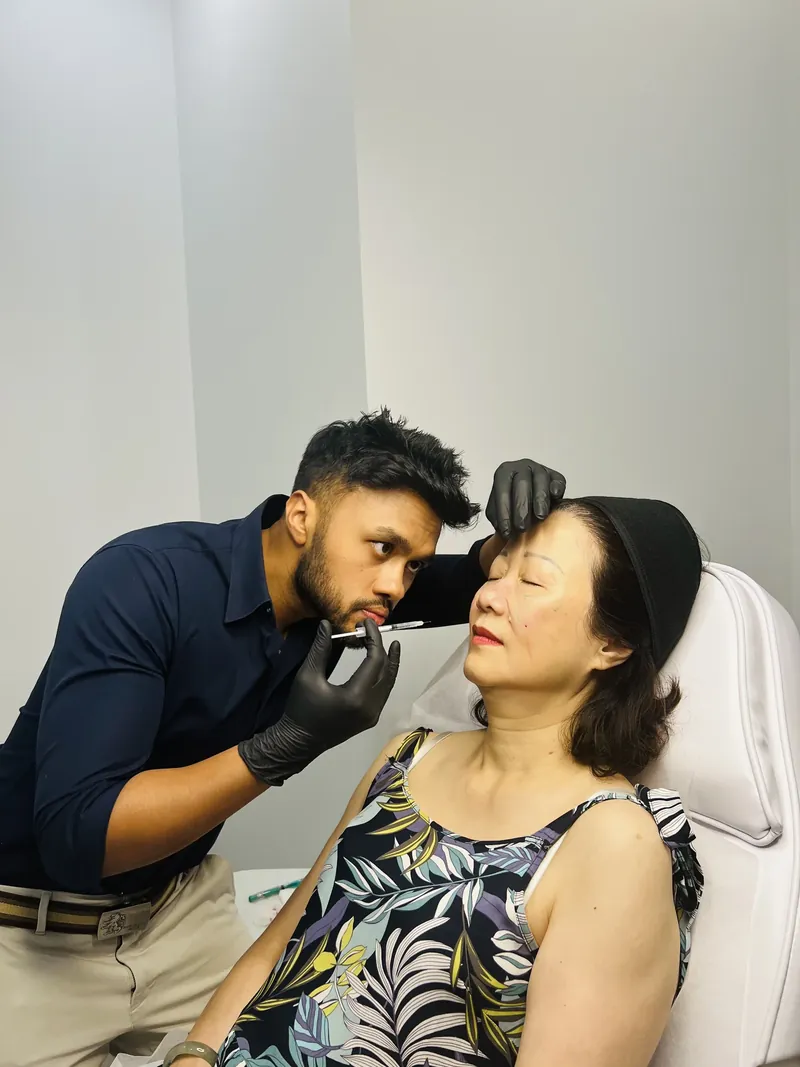
Microneedling treatment at Aesthetic Doctors Australia by Dr Rakib in Melbourne
Performed by Dr Rakib

What it is

What is microneedling?

Microneedling creates thousands of tiny controlled punctures in the skin with sterile single-use needles. Each puncture triggers a healing cascade that produces new collagen and elastin, and breaks up scar tissue as it remodels.

Crucially, microneedling is the only microneedling device with TGA clearance for medical use in Australia. Generic 'derma roller' devices used at home or in non-medical settings don't deliver the same controlled depth, sterility or result. The device matters.

  • Medical device

    TGA-cleared

    Performed with a TGA-cleared medical microneedling device.

  • Programme

    3–6 sessions

    Cumulative collagen response builds over months.

  • Wide suitability

    Most skin types

    Including pigmented skin where laser may be limited.

What it treats

What does microneedling treat?

Microneedling is most often planned for acne scars, post-inflammatory hyperpigmentation, texture, fine lines, tone, large pores. The treatment only makes sense when it matches the cause of your concern; here is where it fits.

  • Acne scars and texture

    Explore this concern

    Why it happens

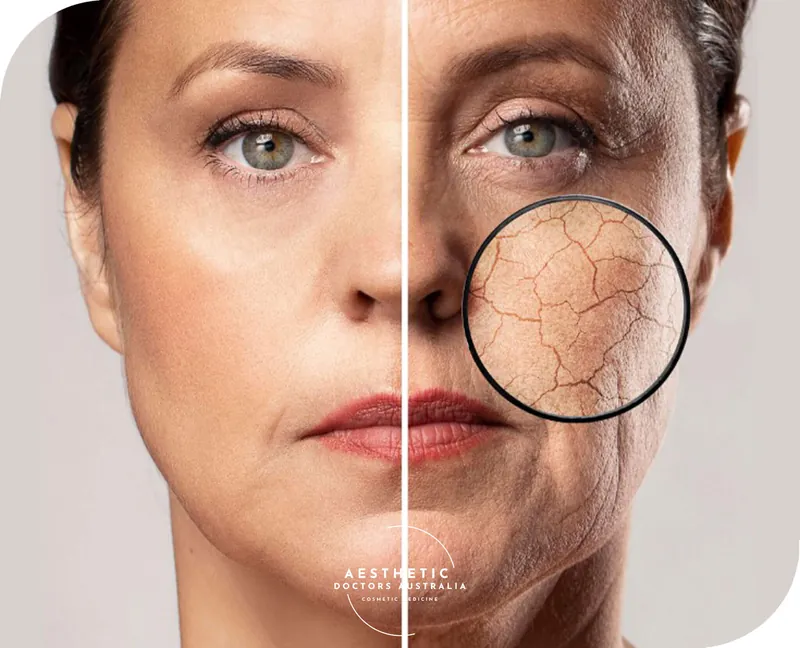
    Acne scars are areas of disorganised collagen left by inflammatory damage. Texture issues are dermal-layer changes from sun, ageing, or post-inflammatory changes.

    Treatment role

    Controlled-injury collagen induction remodels scar tissue and improves overall texture, particularly when combined with growth-factor or polynucleotide serums.

  • Fine lines and tone changes

    Explore this concern

    Why it happens

    Collagen and elastin decline with age, sun exposure and lifestyle factors, leaving skin thinner, rougher, and less even in tone.

    Treatment role

    Sustained collagen induction over a programme of sessions thickens and improves skin quality measurably.

How it works

How does microneedling work?

Microneedling treatment reference at Aesthetic Doctors Australia Step 01

01 / 03

The controlled-injury principle

Thousands of fine needle punctures create micro-channels through the dermis. Each is too small to cause visible scarring but big enough to trigger the body's wound-repair cascade: fibroblast activation, collagen production, remodelling. The damage is controlled; the response is therapeutic.

02 / 03

Why microneedling specifically

TGA clearance means microneedling has been evaluated for safety and clinical efficacy in medical settings. Single-use needle cartridges, controlled penetration depth, and consistent oscillation rate produce predictable, repeatable results that home derma rollers cannot match.

Microneedling with polynucleotide combination at Aesthetic Doctors Australia Step 03

03 / 03

Sequenced with serums and polynucleotides

Microneedling creates channels that allow growth-factor serums or polynucleotides to penetrate the dermis directly. This 'combo' approach amplifies the collagen-induction response, particularly useful for acne scarring and difficult texture.

Whether it suits you

Is microneedling right for you?

The two lists below are where that answer starts; it is confirmed in person, never assumed. Balanced information protects you.

May be suitable for

  • Atrophic acne scars (rolling, boxcar, some ice-pick)
  • Post-inflammatory hyperpigmentation
  • Texture and tone improvement
  • Fine lines and early ageing
  • Maintenance of skin quality across most Fitzpatrick types

The assessment

What happens at a microneedling consultation?

Expertise shows in process. Before any recommendation, your consultation examines:

Book your assessment
  1. 01

    Skin type and Fitzpatrick scale

  2. 02

    Scar pattern: rolling, boxcar, ice-pick: affects approach

  3. 03

    Sun exposure and recent skin treatments

  4. 04

    Active acne or skin infection: treat first, then plan

  5. 05

    Realistic expectations: improvement, not perfection

What to expect

How long does microneedling take to work?

The short version: texture changes visible within 4–6 weeks; cumulative over programme. Stage by stage:

  1. Day 0

    Each session

    Treatment, immediate redness, calming serum, SPF. Pinpoint marks visible for 24–48 hours.

  2. Weeks 1–4

    Early response

    Glow effect appears; texture starts improving subtly.

  3. Month 3

    Programme completed

    After 3–6 sessions spaced monthly; assessment against baseline photos.

  4. Month 6

    Peak result

    Collagen remodelling matures; texture and scar improvement most visible.

  5. Annual

    Maintenance

    1–2 sessions per year hold the result.

Aesthetic medicine

In practice
Controlled injury, controlled repair: the foundation of texture treatment.

A consultation philosophy of restraint, anatomical precision and natural-looking outcomes: applied to microneedling planning.

Aesthetic Doctors Australia
by Dr Rakib

On the day

What happens during a microneedling appointment?

  1. 01

    Consultation

    Your concern, history and goals: discussed before anything else.

  2. 02

    Assessment

    Anatomy, suitability and alternatives examined properly.

  3. 03

    Planning

    A personalised plan with costs, staging and realistic outcomes.

  4. 04

    Procedure

    Performed by Dr Rakib or a clinician working to his plan, with comfort prioritised.

  5. 05

    Recovery

    Clear aftercare and direct access to the clinic with questions.

  6. 06

    Review

    Results checked against plan; refinements made where needed.

Recovery

What is recovery like after microneedling?

Typical downtime: redness 24–48 hours; pinpoint marks settle within 2 days. The specifics:

What's normal afterwards

  • Redness for 24–48 hours after each session
  • Mild swelling, sensitivity
  • Pinpoint marks settling within 2 days

What to avoid

  • Makeup for 12 hours
  • Direct sun exposure for 1 week
  • Active skincare (retinoids, acids) for 48 hours
  • Strenuous exercise and sweating for 24 hours
Complete aftercare guide

Risks and limits

What are the risks of microneedling?

No effective treatment is risk-free, and no treatment does everything. Knowing both sides is part of informed consent.

Possible side effects

  • Redness, mild swelling, pinpoint marks: universal and short-lived
  • Possible breakout for acne-prone skin in the first cycle
  • Rarely, post-inflammatory pigmentation in higher Fitzpatrick types
  • Infection risk: minimised by sterile single-use needles

Limitations to understand

  • Cannot fully erase deep ice-pick scars (these may need different treatment)
  • Programme of multiple sessions required
  • Sun protection critical to result longevity
  • Maintenance needed to hold improvement long-term

The alternatives

Microneedling compared with the alternatives

Microneedling vs laser for texture

Microneedling

  • Safe for most skin types including pigmented
  • Lower downtime than ablative laser
  • Combo with serums/Polynucleotides for amplification

Ablative laser

  • More aggressive collagen stimulus
  • Higher downtime
  • Limited suitability in darker skin types

Which one Choice depends on skin type, downtime tolerance and concern severity. Microneedling is the safer baseline for most patients; laser is added where indicated.

What it costs

What does microneedling cost?

You receive an itemised written quote at consultation, before committing to anything. The consultation is $75 for 45 minutes with Dr Rakib Uddin, redeemed against your treatment if you go ahead.

Programme pricing at consultation; combo treatments quoted separately.

What determines your quote

  • 01 Programme length
  • 02 Whether combined with serums or polynucleotides
  • 03 Treatment area size

You commit to nothing in advance: the consultation costs nothing and the quote is written before anything is booked. If the recommendation is not to treat, that advice is the whole appointment.

Afterpay acceptedZip accepted

Afterpay and Zip are available for treatment fees at the clinic, subject to each provider's own approval and terms.

Dr Rakib Uddin, cosmetic doctor and founder of Aesthetic Doctors Australia

Your doctor

Dr Rakib Uddin

Cosmetic Doctor & Founder

  • MBBS (Qld)
  • BMedSci (Hons)
  • Dip. Surgical Anatomy
  • Fellow ACCSM

AHPRA MED0001936872

Whatever is recommended at your consultation is planned by Dr Rakib and performed by him or a clinician on his team: never by a non-medical injector.

Dr Rakib Uddin is a Melbourne-based cosmetic doctor with formal surgical-anatomy training and over a decade in medicine. He performs every consultation, treatment and review at Aesthetic Doctors Australia personally, and trains other doctors in advanced injectable technique at Derma Medical Academy.

“If a treatment isn't right for you, I'll tell you. Every plan is built around your anatomy, not a template, and the goal is always a refreshed version of you, not a new face.”
  • Listen to your concern in full
  • Comprehensive medical and aesthetic assessment
  • Step-by-step treatment plan: single session or staged
  • Full discussion of risks, limitations and alternatives
  • Decline to treat when a procedure would do more harm than good
About the practice

Expert questions

The questions worth asking about microneedling.

The questions that come up in the room, answered the way Dr Rakib answers them.

Is this different from at-home derma rolling?

Yes, and substantially. At-home rollers don't reach therapeutic depth, aren't sterile, and don't produce the clinical evidence base supporting medical microneedling. Microneedling is the only TGA-cleared device for medical microneedling: the engineering matters.

Will my acne scars completely disappear?

Substantial improvement is achievable; complete erasure is not. Patients typically see 40–60% improvement over a full programme. Deep ice-pick scars need additional treatments (TCA CROSS, subcision) where indicated.

Can I do this on darker skin?

Yes: microneedling is safer than ablative laser in higher Fitzpatrick skin types because it doesn't produce the same heat-related pigmentation risk. We pace programmes carefully for at-risk skin.

What about combination treatments?

Microneedling is frequently paired with growth-factor serums, PRP, or polynucleotides: the micro-channels created allow these into the dermis directly. Combo approaches amplify results for difficult scars and texture.

How is recovery actually?

Redness 24–48 hours, like a moderate sunburn. Pinpoint marks settle within 2 days. Most patients are back to social activities by day 2, makeup-ready by day 3.

Why a programme and not a single session?

Because collagen response builds with sequential stimulus. Single sessions produce subtle change; programmes of 3–6 sessions produce the substantive result. Single sessions tend to disappoint, so we don't recommend them.

Consultation first

Book a personalised consultation.

Discuss microneedling with Dr Rakib Uddin: your anatomy, suitability, alternatives and realistic outcomes, before any decision is made.

1167 Burke Road, Kew VIC 3101

Important treatment information

All information on this page is general in nature and is not a substitute for a medical consultation. Any before-and-after images shown are for illustrative purposes only and do not guarantee individual outcomes. Treatments performed by Dr Rakib Uddin (AHPRA MED0001936872) vary based on each patient's unique anatomy, medical history and needs. All cosmetic injectable treatments carry risks; a consultation is required prior to any treatment to assess suitability, discuss risks and alternatives, and establish realistic expectations.

Consultation Microneedling
Book