Aesthetic Doctors Australia

Menu

Where would you like to begin?

PDO thread lifting in Kew, Melbourne

Thread Lift Melbourne

A doctor-performed alternative to surgery for early sagging: dissolvable threads reposition soft tissue and stimulate your own collagen along the lift line.

Reviewed by Dr Rakib Uddin AHPRA MED0001936872

  • Performed by Dr Rakib and his team
  • Personalised assessment first
  • Clear advice, including when not to treat
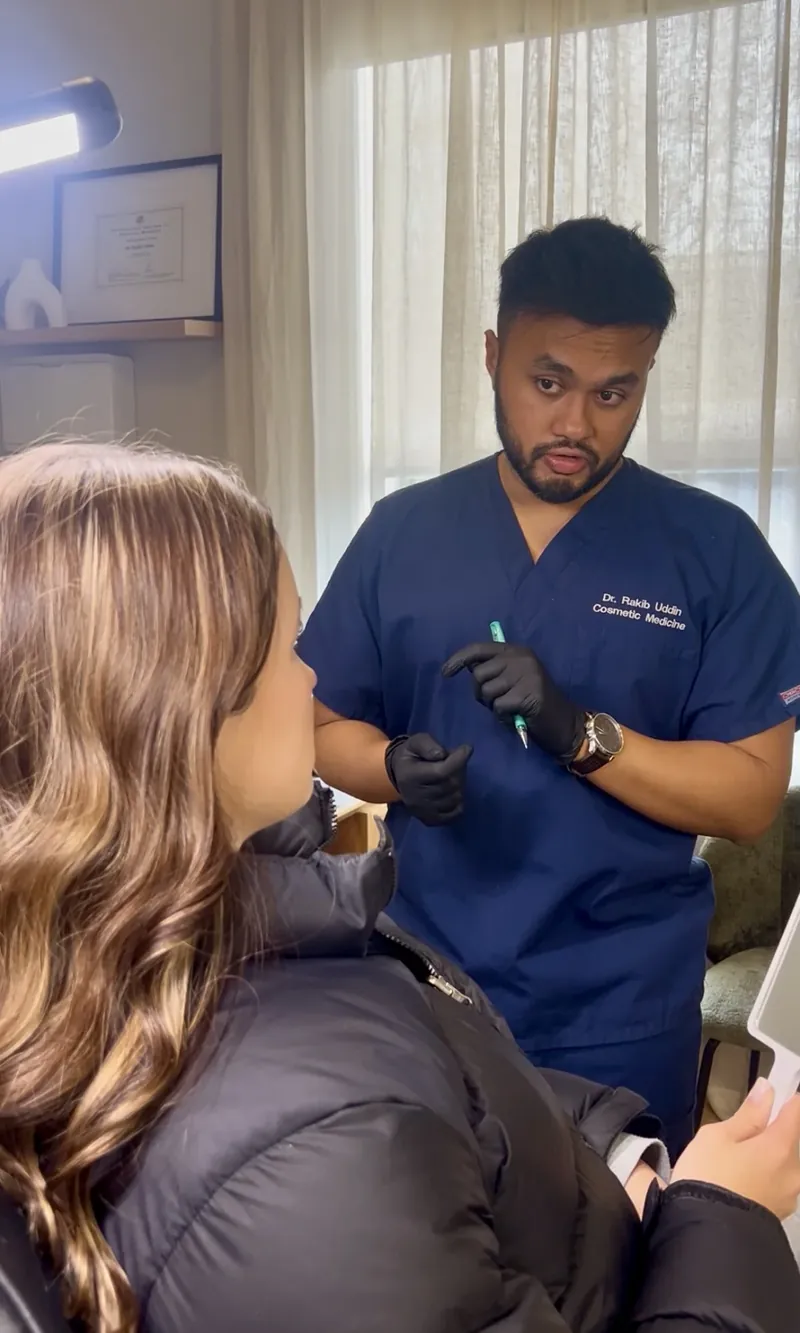
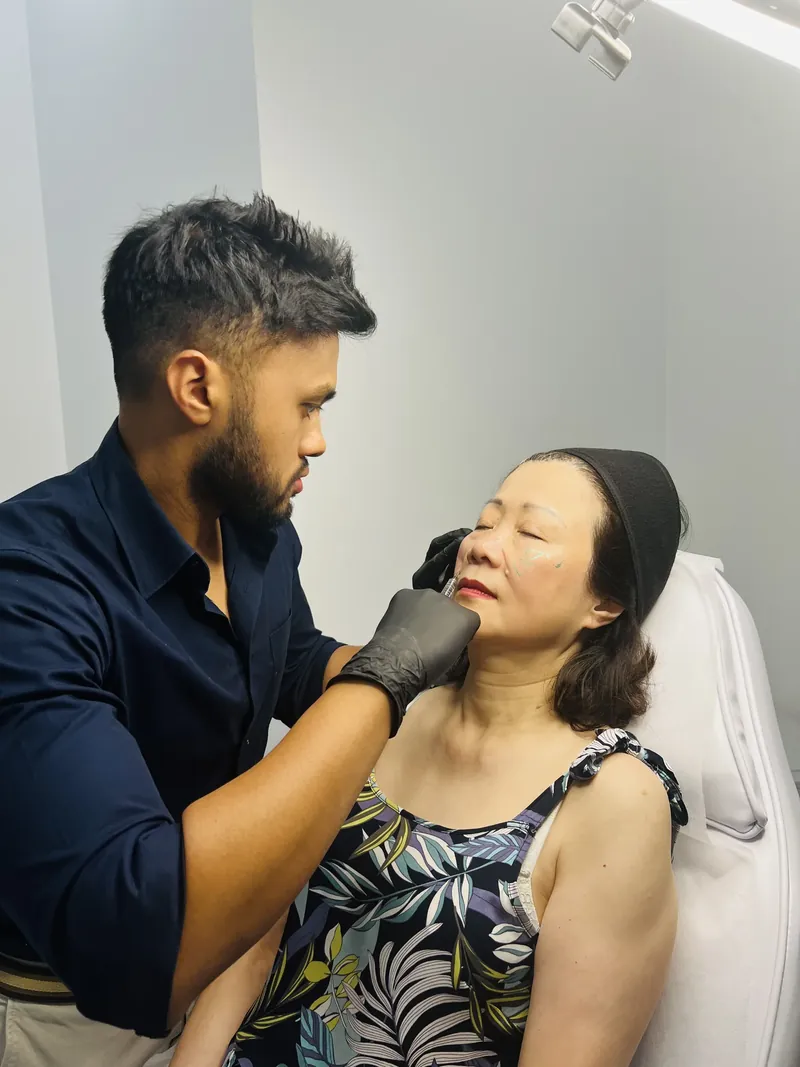
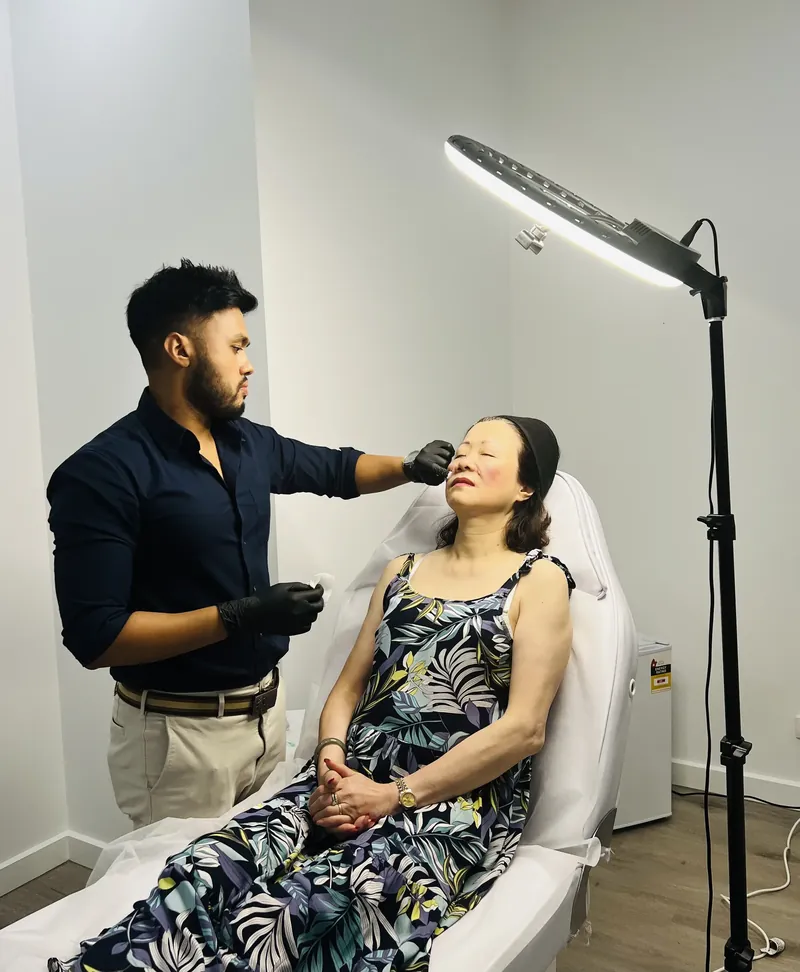
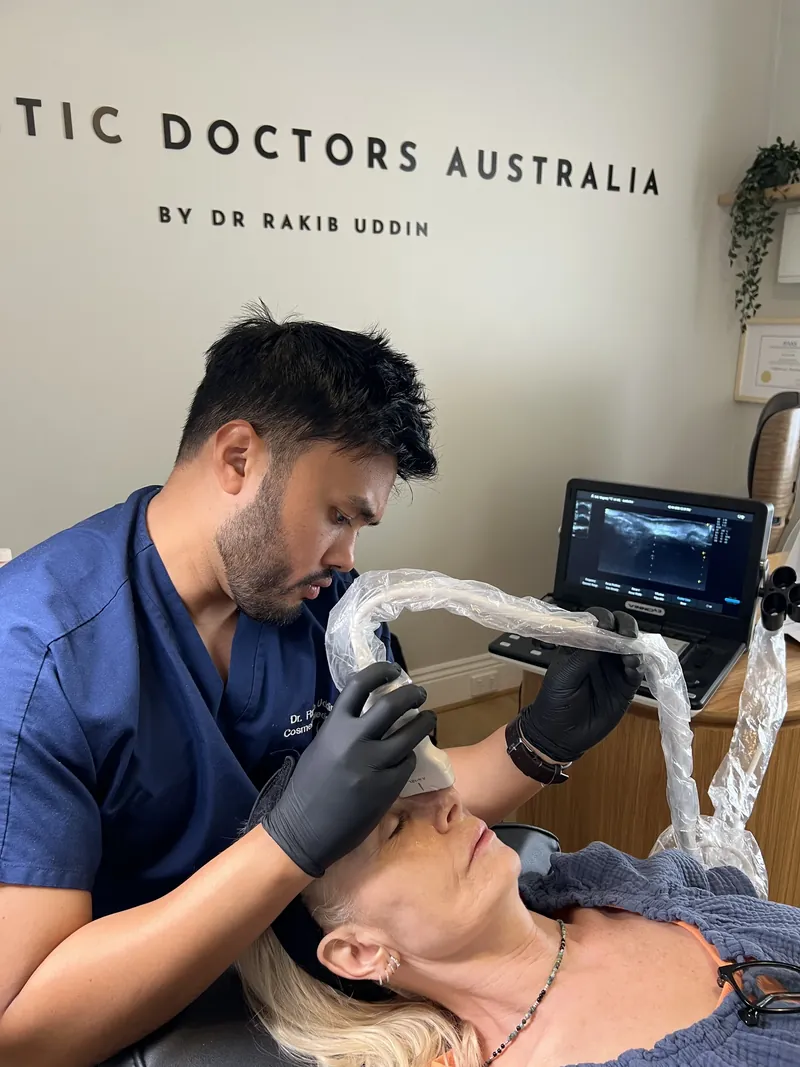
Dr Rakib Uddin discussing a treatment plan with a patient at Aesthetic Doctors Australia
Performed by Dr Rakib

What it is

What is PDO thread lift?

A thread lift places fine, dissolvable surgical threads (polydioxanone, PDO) beneath the skin to mechanically reposition descending soft tissue. Tiny moulded cogs along each thread anchor into tissue, allowing the doctor to lift and secure it in a higher, firmer position.

The threads dissolve over about six months, but their second mechanism continues working: the body responds to each thread by building a column of new collagen along its track, which supports the lifted position well after the thread itself has gone.

  • Typical duration

    12–18 months

    Threads dissolve at six; the collagen scaffold they build maintains the lift.

  • Procedure time

    45–60 min

    Local anaesthetic; walk-in walk-out, no general anaesthetic.

  • Social downtime

    3–7 days

    Tightness and tenderness settling over the first fortnight.

What it treats

What does PDO thread lift treat?

PDO thread lift is most often planned for early jowling, mid-face descent, brow position, sagging that filler can't lift. The treatment only makes sense when it matches the cause of your concern; here is where it fits.

  • Jowls & a softening jawline

    Explore this concern

    Why it happens

    Facial ligaments stretch with age while the fat compartments they restrain descend, gathering at the jawline as jowls and blurring the jaw's edge.

    Treatment role

    Threads re-suspend the descended tissue back along its original vector: directly addressing the descent that no amount of filler volume can correct.

  • Sagging & loss of firmness

    Explore this concern

    Why it happens

    Collagen and elastin decline leaves the skin envelope looser than the structures beneath, so gravity wins a little more each year.

    Treatment role

    Beyond the mechanical lift, the collagen response along every thread track measurably improves firmness in the treated zone.

  • Why it happens

    The nasal tip can droop with age or be naturally under-projected.

    Treatment role

    Purpose-designed threads along the columella can elevate and define the tip: alone or with filler in a non-surgical rhinoplasty plan.

Results

Each case is a single composite photographed at the practice: the concern that brought the patient in, the treatment performed, and the point at which the result was reviewed. Outcomes vary from person to person. This is clinical context, not a promise.

Every consented case across all treatments
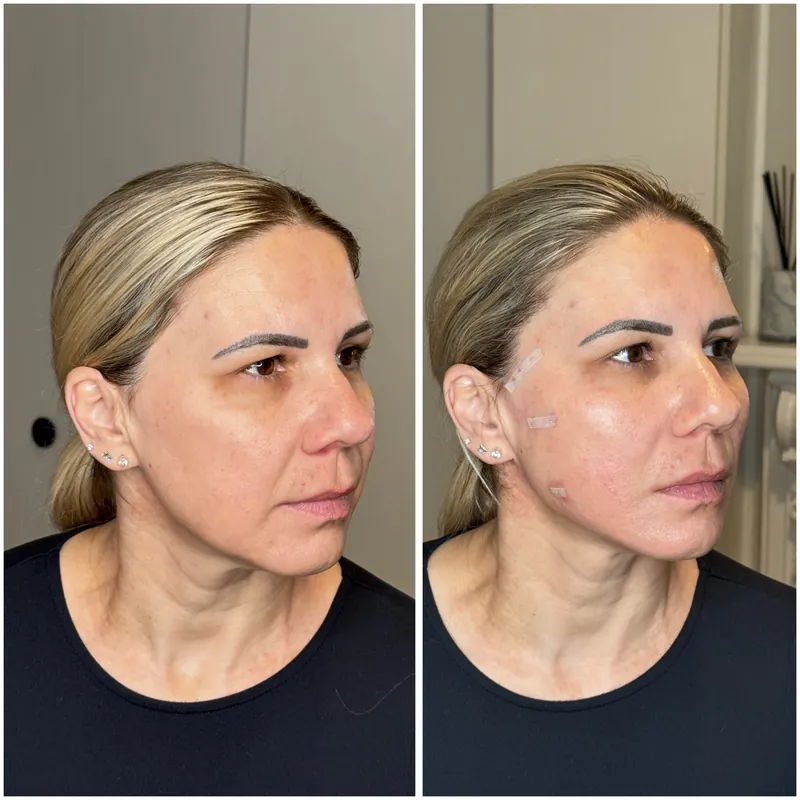
Before and after composite following a PDO thread lift along the jawline
This result is specific to this patient and will not necessarily reflect another person's outcome.

Jowling and softening along the jawline

PDO thread lift

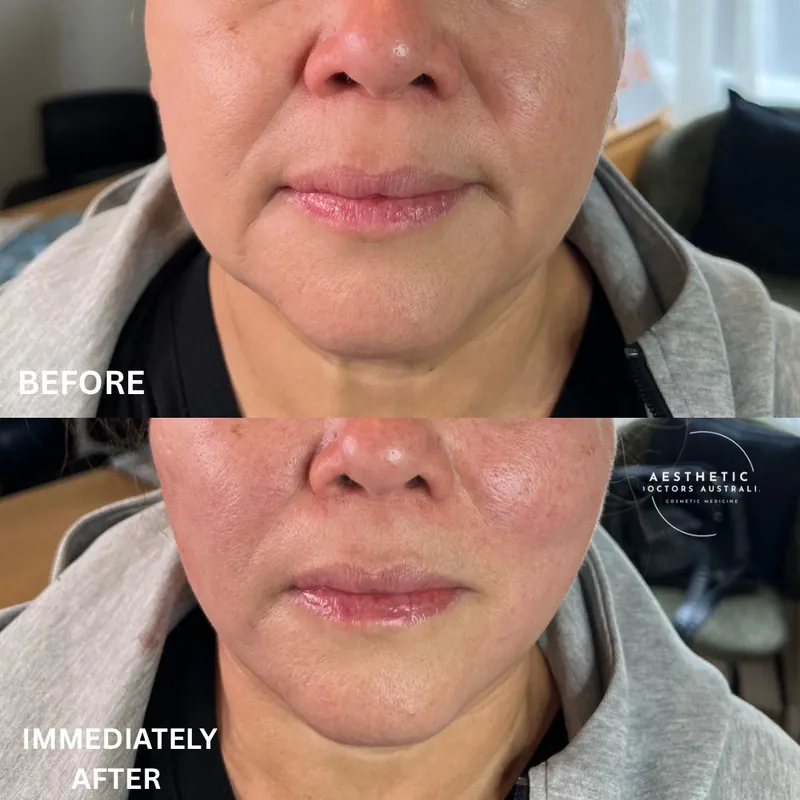
Before and immediately after composite following a PDO thread lift through the lower face
This result is specific to this patient and will not necessarily reflect another person's outcome.

Softening through the lower face and jawline

PDO thread lift

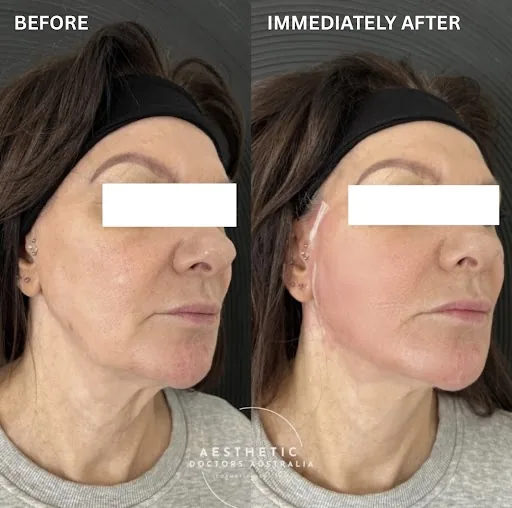
Before and immediately-after composite of a PDO thread lift showing a lifted jawline contour, eyes masked for privacy
This result is specific to this patient and will not necessarily reflect another person's outcome.

Early jowling along the jawline

PDO thread lift

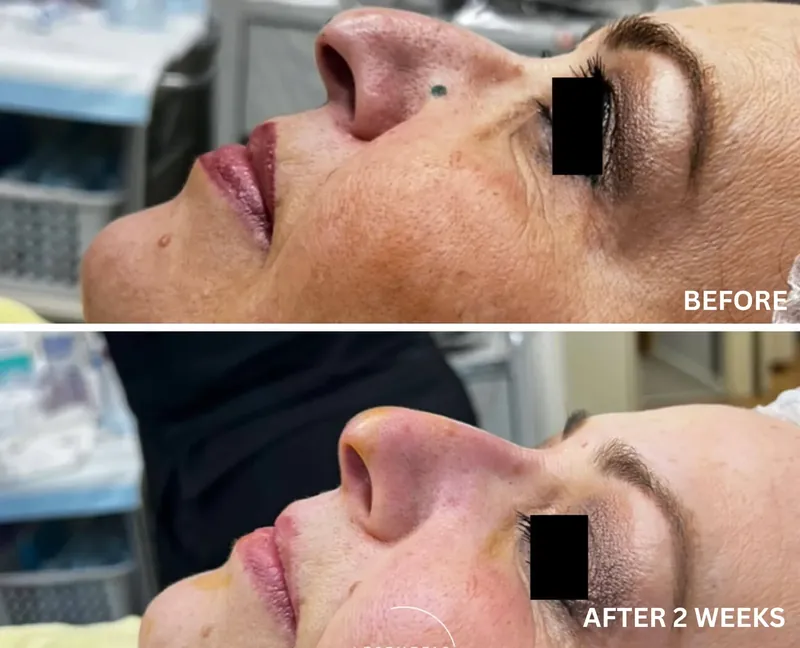
Before and after composite in profile following PDO nose thread treatment to support a droopy nasal tip
This result is specific to this patient and will not necessarily reflect another person's outcome.

A droopy nasal tip

PDO nose threads

Images are real patients treated by Dr Rakib Uddin and are used with consent. Individual outcomes vary depending on anatomy, medical history, technique and aftercare; results shown are not a guarantee of yours.

How it works

How does PDO thread lift work?

01 / 04

Why faces descend

The face ages as a structure: retaining ligaments loosen, deep fat pads deflate and slide, and the skin envelope expands. The visible result (jowls, flattened cheeks, deepening folds) is descent and deflation together. Volume treatments address deflation; threads address descent.

Cheek lift PDO thread placement detail at Aesthetic Doctors Australia Step 02

02 / 04

The mechanical lift

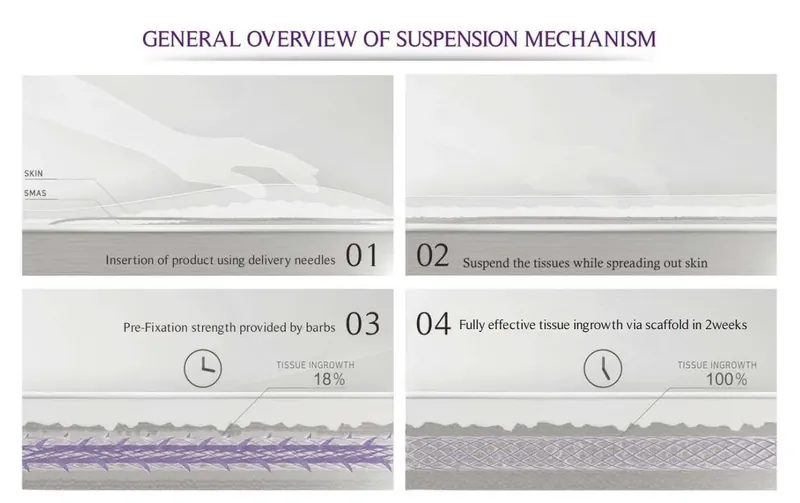
Each cogged thread is introduced along a pre-marked vector with a fine cannula, then engaged so its cogs grip the under-surface of the descended tissue. Gentle traction repositions the tissue; the thread holds it while your biology takes over.

Skin remodelling reference along PDO thread tracks during collagen phase Step 03

03 / 04

The biological lift

PDO is the same material used in dissolvable surgical sutures. As it slowly hydrolyses, fibroblasts lay down type-I collagen along the entire thread track: effectively building an internal scaffold that persists after the thread has dissolved.

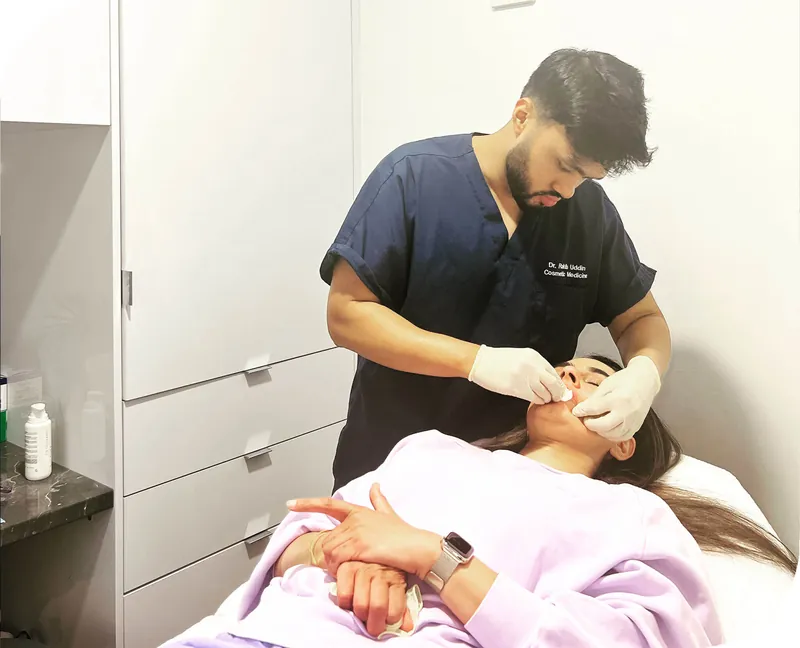
Pre-treatment vector marking for PDO thread lift, performed by Dr Rakib in Kew, Melbourne Step 04

04 / 04

Vector planning

The artistry is in the vectors: the angle and anchor point of each thread determines whether the result looks lifted or pulled. Dr Rakib marks vectors with you upright, checks them against your animation, and places threads to follow your anatomy's original lines.

Whether it suits you

Is PDO thread lift right for you?

The two lists below are where that answer starts; it is confirmed in person, never assumed. Balanced information protects you.

May be suitable for

  • Early jowling and mid-face descent, typically late 30s to 50s
  • Patients wanting meaningful lift without surgery or general anaesthetic
  • Brow heaviness seeking a subtle, natural elevation
  • Maintaining a previous surgical result

The assessment

What happens at a PDO thread lift consultation?

Expertise shows in process. Before any recommendation, your consultation examines:

Book your assessment
  1. 01

    Degree and pattern of tissue descent: threads suit early to moderate laxity

  2. 02

    Skin thickness and quality, which affect both result and thread choice

  3. 03

    Volume status: descent and deflation often need a combined plan

  4. 04

    Your animation: how your face moves, so vectors don't fight expression

  5. 05

    Medical history, healing tendencies and any previous facial procedures

  6. 06

    Full discussion of whether surgical referral would serve you better

What to expect

How long does PDO thread lift take to work?

The short version: immediate repositioning, strengthening over 8–12 weeks; typically 12–18 months. Stage by stage:

  1. Day 0

    Treatment day

    Local anaesthetic, thread placement, immediate visible repositioning. You leave with the lift already in place.

  2. Days 1–7

    Early recovery

    Tightness, tenderness and possible bruising or slight surface irregularity: all expected while tissue settles into position.

  3. Weeks 2–4

    Settled lift

    Swelling resolved, tissue adapted; the mechanical result is now what you see.

  4. Weeks 8–12

    Collagen phase

    New collagen matures along thread tracks, firming and consolidating the lift.

  5. 12–18 months

    Duration

    Threads have dissolved but the collagen scaffold maintains support. Repeat treatment can extend the result.

Aesthetic medicine

In practice
Refreshment, not transformation: the right tool for early descent.

A consultation philosophy of restraint, anatomical precision and natural-looking outcomes: applied to PDO thread lift planning.

Aesthetic Doctors Australia
by Dr Rakib

On the day

What happens during a PDO thread lift appointment?

  1. 01

    Consultation

    Your concern, history and goals: discussed before anything else.

  2. 02

    Assessment

    Anatomy, suitability and alternatives examined properly.

  3. 03

    Planning

    A personalised plan with costs, staging and realistic outcomes.

  4. 04

    Procedure

    Performed by Dr Rakib or a clinician working to his plan, with comfort prioritised.

  5. 05

    Recovery

    Clear aftercare and direct access to the clinic with questions.

  6. 06

    Review

    Results checked against plan; refinements made where needed.

Recovery

What is recovery like after PDO thread lift?

Typical downtime: social downtime 3–7 days; tightness and tenderness settling over 1–2 weeks. The specifics:

What's normal afterwards

  • Tightness when opening the mouth wide: easing over the first fortnight
  • Tenderness along thread paths and at anchor points
  • Possible dimpling or surface irregularity that smooths as tissue settles

What to avoid

  • Wide mouth opening, chewing tough food and dental work for 2 weeks
  • Sleeping face-down for 2 weeks (back-sleeping recommended)
  • Strenuous exercise for 1 week; facial massage and treatments for 4 weeks
  • Significant facial animation, exaggerated expressions, in the first days

Risks and limits

What are the risks of PDO thread lift?

No effective treatment is risk-free, and no treatment does everything. Knowing both sides is part of informed consent.

Possible side effects

  • Bruising, swelling and tenderness: expected and temporary
  • Temporary dimpling or asymmetry while tissue settles
  • Uncommonly, thread visibility or palpability: correctable at review
  • Rarely, infection or thread extrusion requiring removal

Limitations to understand

  • Lifts soft tissue but cannot remove excess skin: that is surgery's domain
  • Result is moderate by design: refreshment, not transformation
  • Duration is 12–18 months, not permanent
  • Heavier tissue holds less lift; careful assessment protects you from disappointment

The alternatives

PDO thread lift compared with the alternatives

Thread lift vs volume enhancement

Thread lift

  • Repositions descended tissue
  • Addresses sagging directly
  • Adds no volume

Volume enhancement

  • Restores lost volume
  • Indirect lifting effect only
  • Can't correct true descent

Which one Filler used to chase sagging leads to over-filled faces. When assessment shows descent, threads address the actual problem, often with a little filler where genuine deflation coexists.

Thread lift vs surgical facelift

Thread lift

  • Local anaesthetic, walk-in walk-out
  • Days of social downtime
  • Moderate lift, 12–18 months

Surgical facelift

  • General anaesthetic, surgical recovery
  • Weeks of downtime
  • Comprehensive lift, 7–10+ years

Which one Different tools for different stages. Threads excel for early descent and surgical-averse patients; advanced laxity deserves a surgical opinion, and we refer when that's the truthful advice.

What it costs

What does PDO thread lift cost?

You receive an itemised written quote at consultation, before committing to anything. The consultation is $75 for 45 minutes with Dr Rakib Uddin, redeemed against your treatment if you go ahead.

Thread plans are individually quoted at consultation after vector assessment: thread counts differ significantly between faces.

What determines your quote

  • 01 Number of threads your plan requires
  • 02 Areas treated (mid-face, jawline, brow, neck)
  • 03 Whether combined with volume or skin-quality treatment
  • 04 Review and maintenance schedule

You commit to nothing in advance: the consultation costs nothing and the quote is written before anything is booked. If the recommendation is not to treat, that advice is the whole appointment.

Afterpay acceptedZip accepted

Afterpay and Zip are available for treatment fees at the clinic, subject to each provider's own approval and terms.

Dr Rakib Uddin, cosmetic doctor and founder of Aesthetic Doctors Australia

Your doctor

Dr Rakib Uddin

Cosmetic Doctor & Founder

  • MBBS (Qld)
  • BMedSci (Hons)
  • Dip. Surgical Anatomy
  • Fellow ACCSM

AHPRA MED0001936872

Whatever is recommended at your consultation is planned by Dr Rakib and performed by him or a clinician on his team: never by a non-medical injector.

Dr Rakib Uddin is a Melbourne-based cosmetic doctor with formal surgical-anatomy training and over a decade in medicine. He performs every consultation, treatment and review at Aesthetic Doctors Australia personally, and trains other doctors in advanced injectable technique at Derma Medical Academy.

“If a treatment isn't right for you, I'll tell you. Every plan is built around your anatomy, not a template, and the goal is always a refreshed version of you, not a new face.”
  • Listen to your concern in full
  • Comprehensive medical and aesthetic assessment
  • Step-by-step treatment plan: single session or staged
  • Full discussion of risks, limitations and alternatives
  • Decline to treat when a procedure would do more harm than good
About the practice

Expert questions

The questions worth asking about PDO thread lift.

The questions that come up in the room, answered the way Dr Rakib answers them.

How do I know if I need threads or filler?

Look in a mirror and gently push your cheek tissue up and back: if that movement recreates your younger face, descent is your issue and threads address it. If your face looks deflated rather than dropped, volume is the issue. Most faces past 45 have a little of both: which is what assessment untangles.

Will people see I've had something done?

In the first week, possibly. There can be bruising and slight irregularity. After settling, a well-vectored thread lift reads as 'rested', not 'lifted'. The tell-tale pulled look comes from wrong vectors or over-tensioning, which careful planning avoids.

What does the procedure actually feel like?

Local anaesthetic does the real work: placement feels like pressure and odd tugging rather than pain. The strangest part for most patients is the sensation of tissue moving. Afterwards, expect tightness similar to a strong muscle ache for a few days.

Why do results last 12–18 months if the threads dissolve at six?

Because the threads were never the long-term support: the collagen built along their tracks is. That biological scaffold outlives the thread material considerably, and repeat treatment builds on it rather than starting from zero.

Can a thread lift go wrong, and is it fixable?

The realistic answer: yes, like any procedure. Dimpling, asymmetry or a palpable thread are the usual issues: almost all settle or are correctable at review, and PDO threads can be released or removed if genuinely needed. Choosing a doctor with anatomical training is your main protection.

I've been told I need a facelift. Are threads a shortcut?

If a surgeon has assessed you as needing a facelift, threads will under-deliver. They lift millimetres, surgery lifts centimetres. Threads are the right tool earlier in the ageing process, or for patients who've ruled out surgery and accept a moderate result. We'll tell you which group you're in.

Consultation first

Book a personalised consultation.

Discuss PDO thread lift with Dr Rakib Uddin: your anatomy, suitability, alternatives and realistic outcomes, before any decision is made.

1167 Burke Road, Kew VIC 3101

Important treatment information

All information on this page is general in nature and is not a substitute for a medical consultation. Any before-and-after images shown are for illustrative purposes only and do not guarantee individual outcomes. Treatments performed by Dr Rakib Uddin (AHPRA MED0001936872) vary based on each patient's unique anatomy, medical history and needs. All cosmetic injectable treatments carry risks; a consultation is required prior to any treatment to assess suitability, discuss risks and alternatives, and establish realistic expectations.

Consultation PDO thread lift
Book