Aesthetic Doctors Australia

Menu

Where would you like to begin?

Cellulite assessment in Kew, Melbourne

Cellulite & skin dimpling, explained.

Cellulite is structural: fibrous bands tether the skin to the layer beneath while the fat between them pushes forward, and the surface dimples where it is pinned. It is near-universal in women, unrelated to weight, and the treatments that work are the ones aimed at the bands, not the surface.

Reviewed by Dr Rakib Uddin AHPRA MED0001936872

  • The cause identified before any treatment
  • Assessed by Dr Rakib and his team
  • Alternatives explained, including not treating
  • A clear pathway to the right option
Commissioned editorial study for this concern
Assessment with Dr Rakib

What's happening

Cellulite & skin dimpling: what is actually happening?

Cellulite is the dimpled, uneven surface that shows mostly on the buttocks and posterior thighs. The architecture beneath explains it: fibrous bands called septae run from the skin down to the deeper fascia, and in female skin they run mostly vertically, so where a band tethers the skin and the fat between bands pushes forward, the surface puckers into a dimple. It is anatomy, present in the large majority of women past puberty, and it is not caused by weight, and rarely fixed by losing it.

That structure is also why the treatment that works is mechanical. Dr Rakib's approach to cellulite pairs subcision with hyperdilute collagen biostimulator: subcision releases the tethering band itself, and the biostimulator then supports and thickens the tissue so the released area settles smooth. Creams, massage and wraps act on the surface, which is not where the problem is.

  • Have some cellulite

    Most women

    It is normal anatomy, not a weight or fitness verdict.

  • Below the surface

    Band-deep

    The dimple is a tether, which is why creams cannot reach it.

  • Release + support

    Mechanism-based

    Subcision cuts the tether; a biostimulator rebuilds the floor.

The causes

Why does it happen?

Most cases come down to fibrous septae tethering skin to the deeper fascia, the vertical band architecture of female skin, hormones, genetics, age-related thinning of the skin over the bands. More than one is usually contributing at once, which is why the cause gets named before any treatment is suggested.

  1. Fibrous band architecture

    Vertical septae tether the skin to the fascia beneath. Where a band holds and neighbouring fat pushes forward, the surface dimples. This band pattern, more than fat quantity, is the mechanism.

  2. Hormonal influence

    Oestrogen shapes both fat distribution and connective tissue behaviour, which is why cellulite is overwhelmingly a female pattern and often shifts with hormonal life stages.

  3. Genetics

    Band architecture, skin thickness and fat distribution are all strongly inherited. A family pattern usually predicts both where cellulite appears and how early.

  4. Skin thinning with age

    As the skin over the bands thins and loses collagen, existing tethers show more sharply. Cellulite that was subtle at thirty can look deeper at fifty without any weight change at all.

The types

What are the different types?

There are 4 patterns worth telling apart, and the right plan depends on which one is yours.

  1. Discrete dimples

    Individual pulled-in points on the buttock or thigh; classic tethered bands, and the best subcision candidates.

    Subcision for cellulite
  2. Linear troughs

    Longer grooves rather than points, often across the posterior thigh; band release with broader support.

    Subcision for cellulite
  3. Diffuse rippling

    General unevenness without discrete tethers; support and skin-quality work matter more than release.

    Collagen biostimulator
  4. Laxity-mixed

    Dimpling on skin that is also loose; managed as laxity first or alongside.

    Assessment first

Which one is yours

Which one are you seeing?

Match what you notice in the mirror to a likely cause and the pathway worth discussing. It is a starting point, not a diagnosis: the assessment confirms it.

  1. If you notice

    “I can see distinct dimples on my buttocks when I stand relaxed”

    Possible cause

    Tethered fibrous bands

    Pathway

    Subcision to release the bands, biostimulator to support the result

    Subcision for cellulite
  2. If you notice

    “Longer grooves run across the backs of my thighs”

    Possible cause

    Linear band tethering

    Pathway

    Release plus broader structural support across the area

    Subcision for cellulite
  3. If you notice

    “The surface looks generally uneven rather than dimpled in spots”

    Possible cause

    Diffuse pattern without discrete tethers

    Pathway

    Support-led treatment; subcision has less to release here

    Discuss options
  4. If you notice

    “The dimpling sits on skin that also feels loose”

    Possible cause

    Cellulite mixed with skin laxity

    Pathway

    Assessment decides whether laxity or bands are treated first

    Book an assessment

What treats it

Which treatment actually addresses it?

The one that matches your cause. Each pathway below pairs a driver with the plan Dr Rakib Uddin would discuss for it: same concern, different cause, different treatment.

  1. When discrete tethered dimples are the finding

    Subcision releases the fibrous band mechanically, the only treatment aimed at the actual tether, and hyperdilute biostimulator then thickens and supports the released tissue. Sessions run 60–90 minutes with bruising for a week or two, and the result settles by 8–12 weeks.

  2. When the area needs support more than release

    Where the pattern is diffuse rather than tethered, dilute biostimulator work improves skin thickness and support so the unevenness reads smoother. It will not chase every ripple, and the assessment says so before anything is booked.

  3. When dimpling and hip-dip contour arrive together

    The same combined approach corrects surface irregularities and contour depressions in one plan, which is why the buttock treatment page covers both. One assessment maps the whole area rather than treating it in patches.

  4. When expectations are the real question

    Cellulite treatment improves; it does not perfect. Deep tethers respond best, diffuse rippling responds partially, and anyone promising a dimple-free result is selling. The consultation is where your pattern is examined and given a realistic forecast.

Where to go next

The treatment guides worth reading.

Each guide explains how the treatment works, who it suits, recovery and cost. The right one for your case is confirmed at assessment, not assumed online.

Prevention

What slows it down?

The habits below protect the result of any treatment, and slow the concern when it is still early. None of them replace assessment; all of them help.

  • Skip the cream aisle

    No topical reaches the fibrous bands. Caffeine creams and wraps can tighten the surface's appearance for hours, which is the entire effect. Save the money for things with a mechanism.

  • Strength work helps the neighbourhood

    Building the gluteal and thigh muscles improves the shape the skin drapes over. It does not release tethers, but firmer underlying structure reads smoother.

  • Keep skin quality up

    The thinner the skin over a band, the sharper the dimple. Sun protection and general skin health keep existing cellulite looking softer for longer.

  • Treating it is optional

    Cellulite is normal female anatomy, and an industry exists to tell you otherwise. Treat it if it bothers you; it is equally reasonable to leave it entirely alone.

Common beliefs

What do people get wrong about it?

The beliefs patients most often arrive with, next to what is actually true.

  • Commonly believed

    “Cellulite means you need to lose weight”

    In practice

    Cellulite occurs in lean and larger bodies alike because it is band architecture, not fat quantity. Weight loss sometimes softens it, sometimes sharpens it as the skin empties, and never removes the tethers.

  • Commonly believed

    “Creams and massage can fix it”

    In practice

    The dimple is anchored millimetres below anything a cream touches. Surface treatments hydrate and swell the skin briefly; the band holds regardless. Only mechanical release addresses the tether itself.

  • Commonly believed

    “One session gives a smooth result forever”

    In practice

    Released bands stay released, which is real and durable, but the biostimulator support matures over 8–12 weeks and softens over time, and new tethers can declare themselves elsewhere. Improvement is lasting; perfection is not on the menu.

In consultation

A dimple is an anchor, not a fat problem: release the anchor and the surface follows.

Cause before treatment: how Dr Rakib Uddin approaches cellulite & skin dimpling.

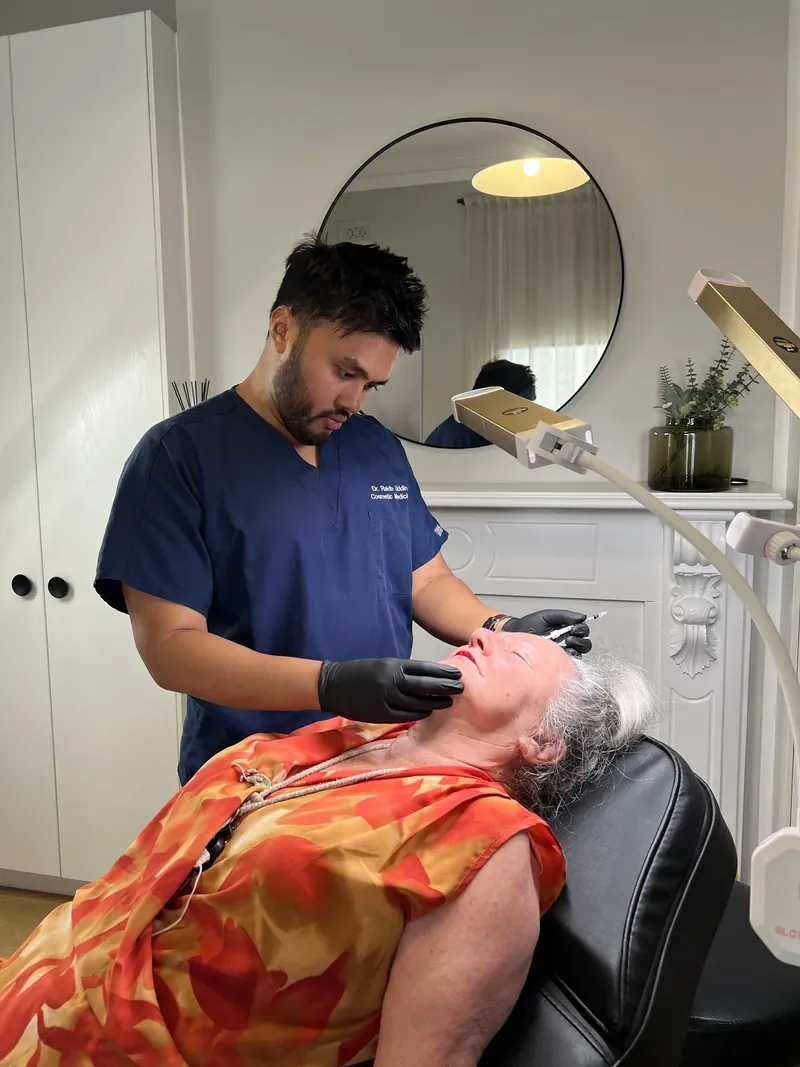
Dr Rakib Uddin, cosmetic doctor and founder of Aesthetic Doctors Australia

Your doctor

Dr Rakib Uddin

Cosmetic Doctor & Founder

  • MBBS (Qld)
  • BMedSci (Hons)
  • Dip. Surgical Anatomy
  • Fellow ACCSM

AHPRA MED0001936872

Every consultation for cellulite & skin dimpling is performed by Dr Rakib and his team: never delegated to a non-medical injector.

Dr Rakib Uddin is a Melbourne-based cosmetic doctor with formal surgical-anatomy training and over a decade in medicine. He performs every consultation, treatment and review at Aesthetic Doctors Australia personally, and trains other doctors in advanced injectable technique at Derma Medical Academy.

“If a treatment isn't right for you, I'll tell you. Every plan is built around your anatomy, not a template, and the goal is always a refreshed version of you, not a new face.”
  • Listen to your concern in full
  • Comprehensive medical and aesthetic assessment
  • Step-by-step treatment plan: single session or staged
  • Full discussion of risks, limitations and alternatives
  • Decline to treat when a procedure would do more harm than good
About the practice

Expert questions

The questions worth asking about cellulite & skin dimpling.

The questions that come up in the room, answered the way Dr Rakib answers them.

How does subcision actually work?

A fine instrument is passed under the dimple to cut the fibrous band tethering the skin down. Released, the surface springs level, and the hyperdilute biostimulator placed afterwards thickens and supports the area while collagen rebuilds. It is the one approach aimed at the dimple's actual cause, which is why Dr Rakib pairs the two.

Does it hurt, and what is the downtime?

The area is numbed with local anaesthetic, so treatment itself is tolerable; expect firm pressure sensations. Afterwards, bruising, swelling and tenderness are usual for one to two weeks, and sitting is careful rather than comfortable for a few days. Sessions run about 60–90 minutes per area.

When will I see the result, and how long does it last?

Some improvement shows as soon as the bands are released, bruising aside; the settled result arrives around 8–12 weeks as the biostimulator's collagen response matures. Released bands do not re-tether, and the supporting effect typically holds 12–18 months before maintenance is worth discussing.

Am I a good candidate?

The best candidates have discrete, pull-in dimples on the buttocks or posterior thighs with reasonable skin quality. Diffuse rippling, significant laxity and very thin skin all lower the ceiling, and the assessment will say which group you are in before anything is booked.

Is cellulite treatment worth it if it might come back?

That depends on what bothers you and how your pattern responds, which is a conversation rather than a sales pitch. Release is durable and many patients find the change worthwhile; equally, cellulite is harmless, and declining treatment is a legitimate outcome of a consultation here.

Consultation first

Understand the cause. Then choose the pathway.

A consultation with Dr Rakib Uddin works out what's driving cellulite & skin dimpling in your case, then matches the right treatment, an alternative, or no treatment at all.

1167 Burke Road, Kew VIC 3101

Important treatment information

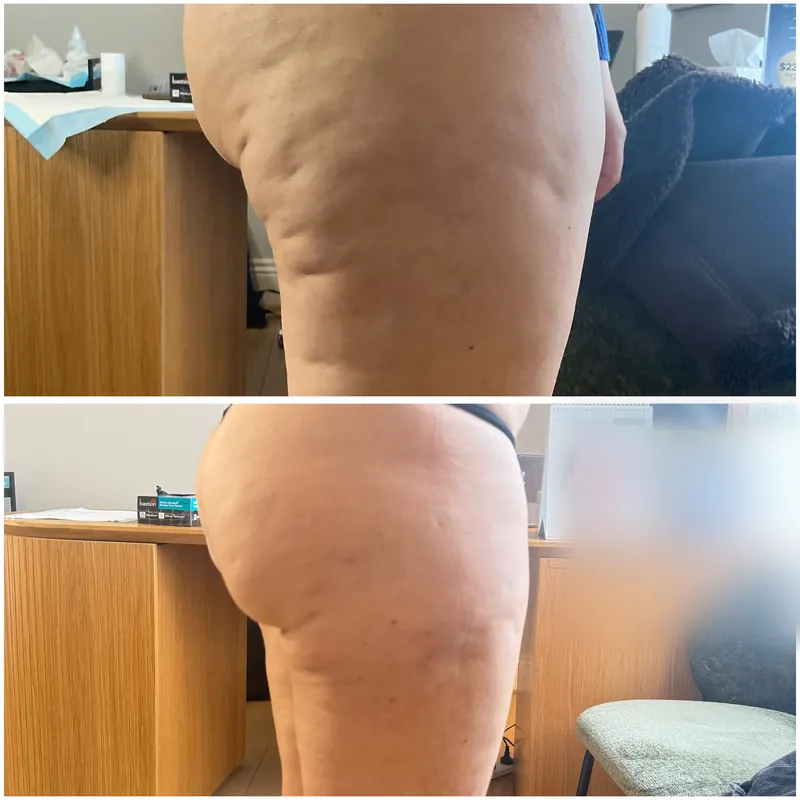
All information on this page is general in nature and is not a substitute for a medical consultation. Any before-and-after images shown are for illustrative purposes only and do not guarantee individual outcomes. Treatments performed by Dr Rakib Uddin (AHPRA MED0001936872) vary based on each patient's unique anatomy, medical history and needs. All cosmetic injectable treatments carry risks; a consultation is required prior to any treatment to assess suitability, discuss risks and alternatives, and establish realistic expectations.

Consultation Cellulite & skin dimpling
Book