Aesthetic Doctors Australia

Menu

Where would you like to begin?

Acne scarring and skin texture assessment in Kew, Melbourne

Acne scars & uneven skin texture, explained.

Acne scars are areas of disorganised collagen left by inflammatory damage. They respond to remodelling treatments, but meaningful improvement, not complete erasure, is what to expect. Combined approaches outperform single treatments.

Reviewed by Dr Rakib Uddin AHPRA MED0001936872

  • The cause identified before any treatment
  • Assessed by Dr Rakib and his team
  • Alternatives explained, including not treating
  • A clear pathway to the right option
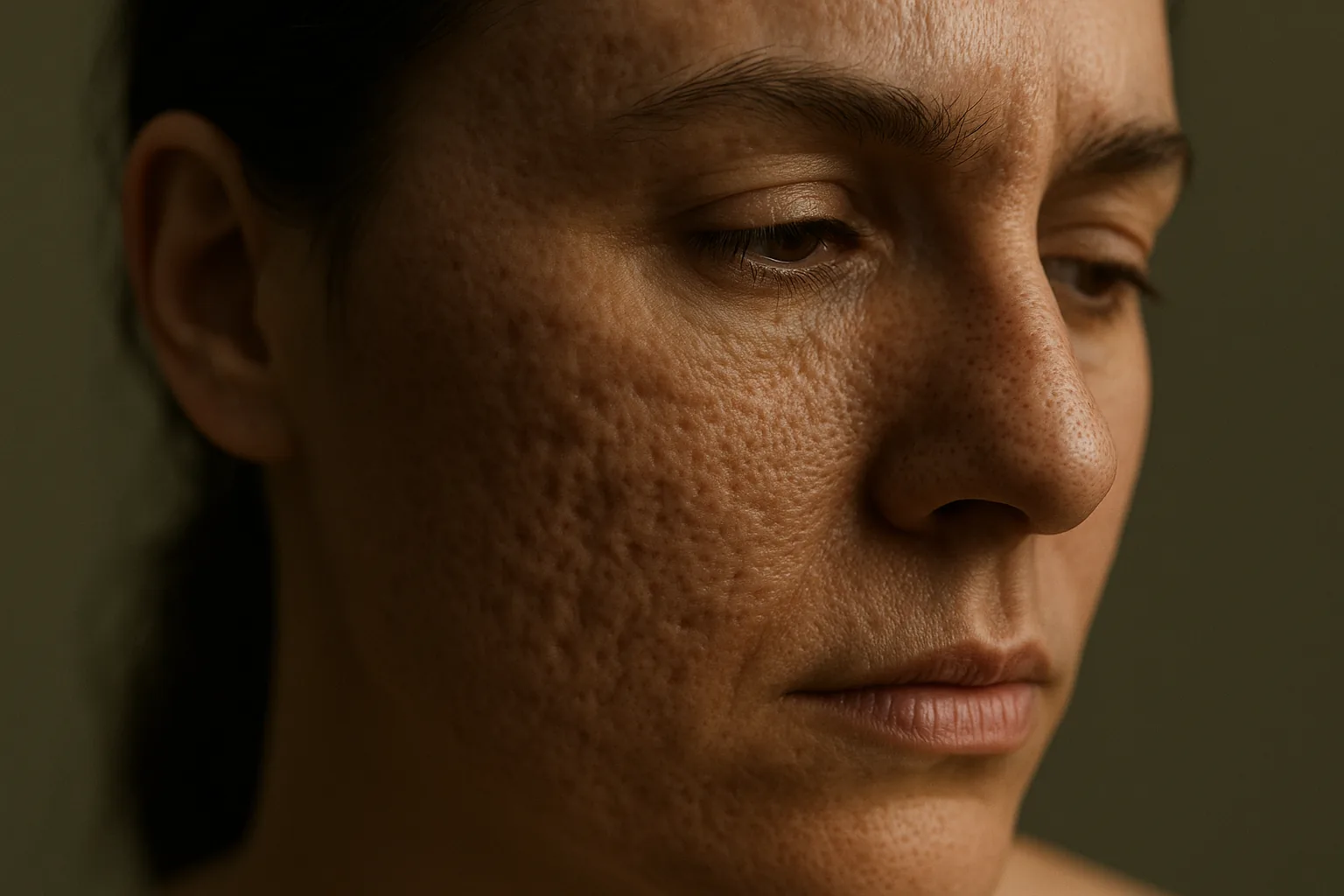
Commissioned editorial study for this concern
Assessment with Dr Rakib

What's happening

Acne scars & uneven skin texture: what is actually happening?

Acne scars are atrophic depressions or textural changes left in skin after inflammatory acne. They're areas of disorganised collagen that the body's repair process couldn't fully restore. Treatments work by stimulating remodelling: the skin rebuilds the area more correctly over months.

Realistic expectations matter. Significant improvement is achievable; complete erasure usually isn't. Combined treatment modalities (microneedling, polynucleotides, sometimes subcision) produce better outcomes than single approaches.

  • Realistic improvement

    40–60%

    Clear framing: not full erasure.

  • Not single sessions

    Programme work

    Collagen response cumulates over months.

  • Modalities together

    Combination wins

    Microneedling + polynucleotides outperforms either alone.

The causes

Why does it happen?

Most cases come down to inflammatory acne damage, post-inflammatory pigmentation, age-related dermal change, sun damage. More than one is usually contributing at once, which is why the cause gets named before any treatment is suggested.

  1. Inflammatory acne damage

    Severe acne breakdown damages dermal collagen. The skin heals but with disorganised collagen architecture that visible as scars.

  2. Post-inflammatory hyperpigmentation

    Dark marks remaining after acne: not true scars but commonly associated. Different treatment focus.

  3. Picking and scarring behaviour

    Manipulation during active acne causes deeper inflammation and worse scarring. Behavioural component matters.

  4. Skin type susceptibility

    Some skin types scar more readily, particularly those prone to keloid or hypertrophic scarring. Plan adapts accordingly.

The types

What are the different types?

There are 4 patterns worth telling apart, and the right plan depends on which one is yours.

  1. Atrophic rolling scars

    Broad shallow depressions with rolling appearance.

    Microneedling + polynucleotide combination
  2. Atrophic boxcar scars

    Sharp-edged depressions with flat base.

    Microneedling + polynucleotide combination
  3. Ice-pick scars

    Deep narrow scars: most difficult to treat.

    Combined approach with TCA CROSS
  4. Post-inflammatory pigmentation

    Dark marks without true textural change.

    Skin assessment for pigmentation

Which one is yours

Which one are you seeing?

Match what you notice in the mirror to a likely cause and the pathway worth discussing. It is a starting point, not a diagnosis: the assessment confirms it.

  1. If you notice

    “My scars are shallow and 'rolling' with soft edges”

    Possible cause

    Rolling atrophic

    Pathway

    Microneedling + polynucleotide programme

    Microneedling
  2. If you notice

    “My scars have sharp edges like dents”

    Possible cause

    Boxcar atrophic

    Pathway

    Microneedling + polynucleotides; subcision for deeper ones

    Combined treatment
  3. If you notice

    “I have very deep narrow scars”

    Possible cause

    Ice-pick scars

    Pathway

    Combination including TCA CROSS spot treatment

    Discuss combined approach
  4. If you notice

    “I have dark marks but no real textural change”

    Possible cause

    Post-inflammatory pigmentation

    Pathway

    Topical and skin treatments; not microneedling alone

    Skin assessment

What treats it

Which treatment actually addresses it?

The one that matches your cause. Each pathway below pairs a driver with the plan Dr Rakib Uddin would discuss for it: same concern, different cause, different treatment.

  1. When atrophic rolling/boxcar scars

    Controlled-injury collagen induction + polynucleotide repair signal compound for best results.

  2. When deep ice-pick scars

    Ice-pick scars need specific approaches (TCA CROSS, punch excision) often combined with microneedling.

  3. When pigmentation without texture

    Pigmentation treatments differ from texture treatments. Microneedling not the primary approach.

Prevention

What slows it down?

The habits below protect the result of any treatment, and slow the concern when it is still early. None of them replace assessment; all of them help.

  • Treat active acne early

    Severe untreated acne causes the worst scarring. Dermatology referral for active acne reduces future scarring meaningfully.

  • Don't pick

    Picking and squeezing produces deeper inflammation and worse scarring. The single most controllable factor.

  • Sun protection

    Sun exposure worsens post-inflammatory pigmentation and accelerates ageing of scarred skin. Daily SPF is critical.

  • Realistic timeline

    Scar treatment takes months. Patience is part of the plan.

Common beliefs

What do people get wrong about it?

The beliefs patients most often arrive with, next to what is actually true.

  • Commonly believed

    “Acne scars can be erased completely”

    In practice

    Significant improvement is realistic; complete erasure usually isn't. Patients told otherwise are being misled. 40–60% improvement is the realistic expectation.

  • Commonly believed

    “Home derma rollers fix acne scars”

    In practice

    At-home rollers don't reach therapeutic depth or carry the safety profile of medical microneedling. They can damage the skin and rarely improve scarring meaningfully.

  • Commonly believed

    “One session of laser does it”

    In practice

    Significant scar treatment is a programme, not a single visit. Anyone promising one-session results is selling, not treating.

In consultation

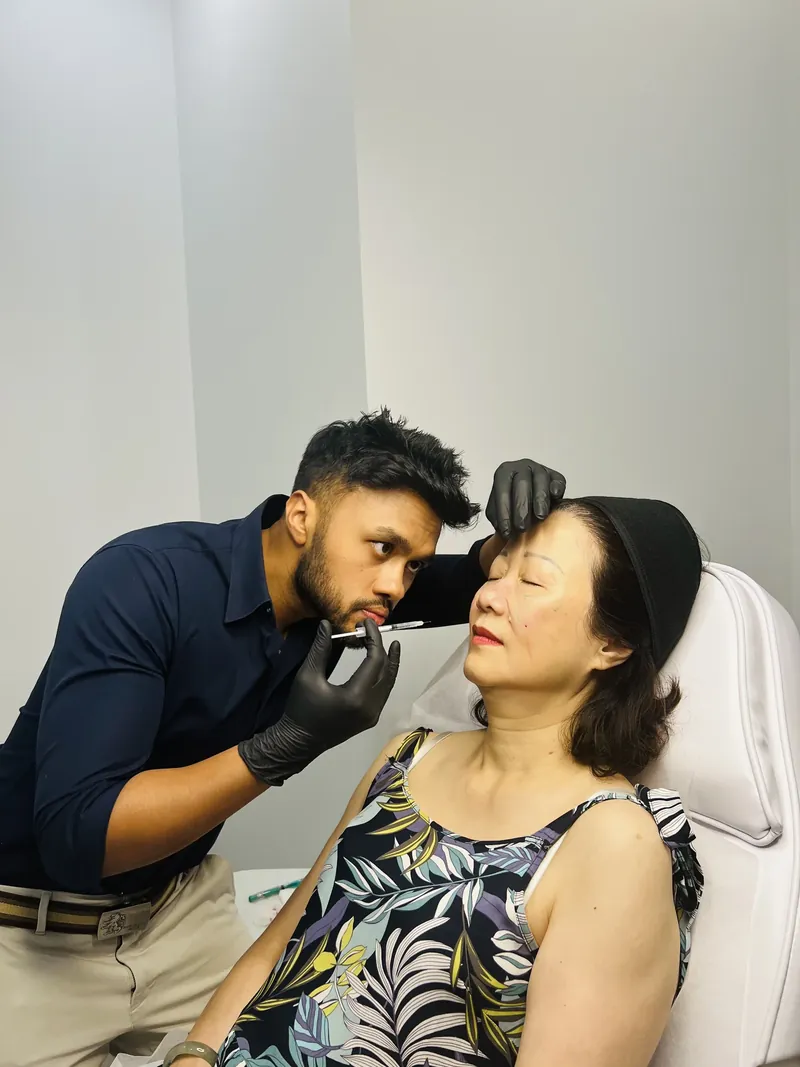
Controlled injury, controlled repair: the foundation of texture work.

Cause before treatment: how Dr Rakib Uddin approaches acne scars & uneven skin texture.

Dr Rakib Uddin, cosmetic doctor and founder of Aesthetic Doctors Australia

Your doctor

Dr Rakib Uddin

Cosmetic Doctor & Founder

  • MBBS (Qld)
  • BMedSci (Hons)
  • Dip. Surgical Anatomy
  • Fellow ACCSM

AHPRA MED0001936872

Every consultation for acne scars & uneven skin texture is performed by Dr Rakib and his team: never delegated to a non-medical injector.

Dr Rakib Uddin is a Melbourne-based cosmetic doctor with formal surgical-anatomy training and over a decade in medicine. He performs every consultation, treatment and review at Aesthetic Doctors Australia personally, and trains other doctors in advanced injectable technique at Derma Medical Academy.

“If a treatment isn't right for you, I'll tell you. Every plan is built around your anatomy, not a template, and the goal is always a refreshed version of you, not a new face.”
  • Listen to your concern in full
  • Comprehensive medical and aesthetic assessment
  • Step-by-step treatment plan: single session or staged
  • Full discussion of risks, limitations and alternatives
  • Decline to treat when a procedure would do more harm than good
About the practice

Expert questions

The questions worth asking about acne scars & uneven skin texture.

The questions that come up in the room, answered the way Dr Rakib answers them.

How much improvement is realistic?

40–60% improvement over a full programme is typical for atrophic scarring. Some patients get more; ice-pick scars particularly less. Clear framing produces satisfied patients.

How many sessions will I need?

Typically 4–6 microneedling sessions, often combined with polynucleotides. Programmes run 6–12 months. Subcision for specific scars adds separate visits.

Is my skin type suitable?

Microneedling is safer than laser for higher Fitzpatrick skin types because it doesn't carry the same heat-related pigmentation risk. Most skin types can be treated; planning differs.

Will my scars come back?

Treated scars don't 'come back'. New acne can cause new scars; ongoing acne management is part of the long-term plan.

What about the dark marks?

Post-inflammatory pigmentation responds to topical treatment (vitamin C, retinoids, sometimes hydroquinone) and skin treatments. Different focus from scar texture treatment.

Consultation first

Understand the cause. Then choose the pathway.

A consultation with Dr Rakib Uddin works out what's driving acne scars & uneven skin texture in your case, then matches the right treatment, an alternative, or no treatment at all.

1167 Burke Road, Kew VIC 3101

Important treatment information

All information on this page is general in nature and is not a substitute for a medical consultation. Any before-and-after images shown are for illustrative purposes only and do not guarantee individual outcomes. Treatments performed by Dr Rakib Uddin (AHPRA MED0001936872) vary based on each patient's unique anatomy, medical history and needs. All cosmetic injectable treatments carry risks; a consultation is required prior to any treatment to assess suitability, discuss risks and alternatives, and establish realistic expectations.

Consultation Acne scars & uneven skin texture
Book