Aesthetic Doctors Australia

Menu

Where would you like to begin?

Ageing-skin assessment in Kew, Melbourne

Ageing skin & loss of firmness, explained.

Ageing skin isn't one thing: it's collagen loss, hydration loss, sun damage and bone change happening at different rates. A proper assessment identifies which factor is driving your concern, and matches the treatment to it.

Reviewed by Dr Rakib Uddin AHPRA MED0001936872

  • The cause identified before any treatment
  • Assessed by Dr Rakib and his team
  • Alternatives explained, including not treating
  • A clear pathway to the right option
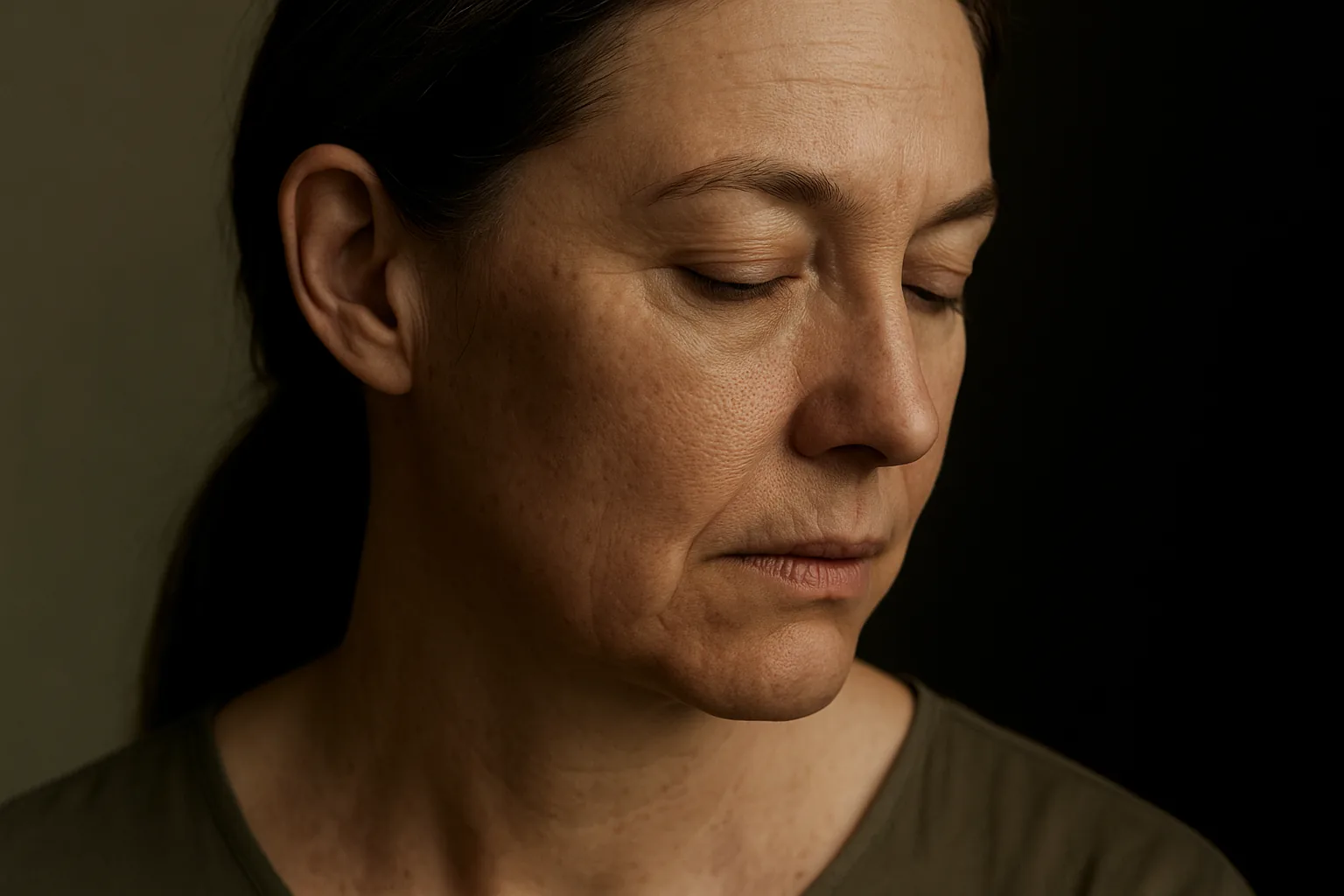
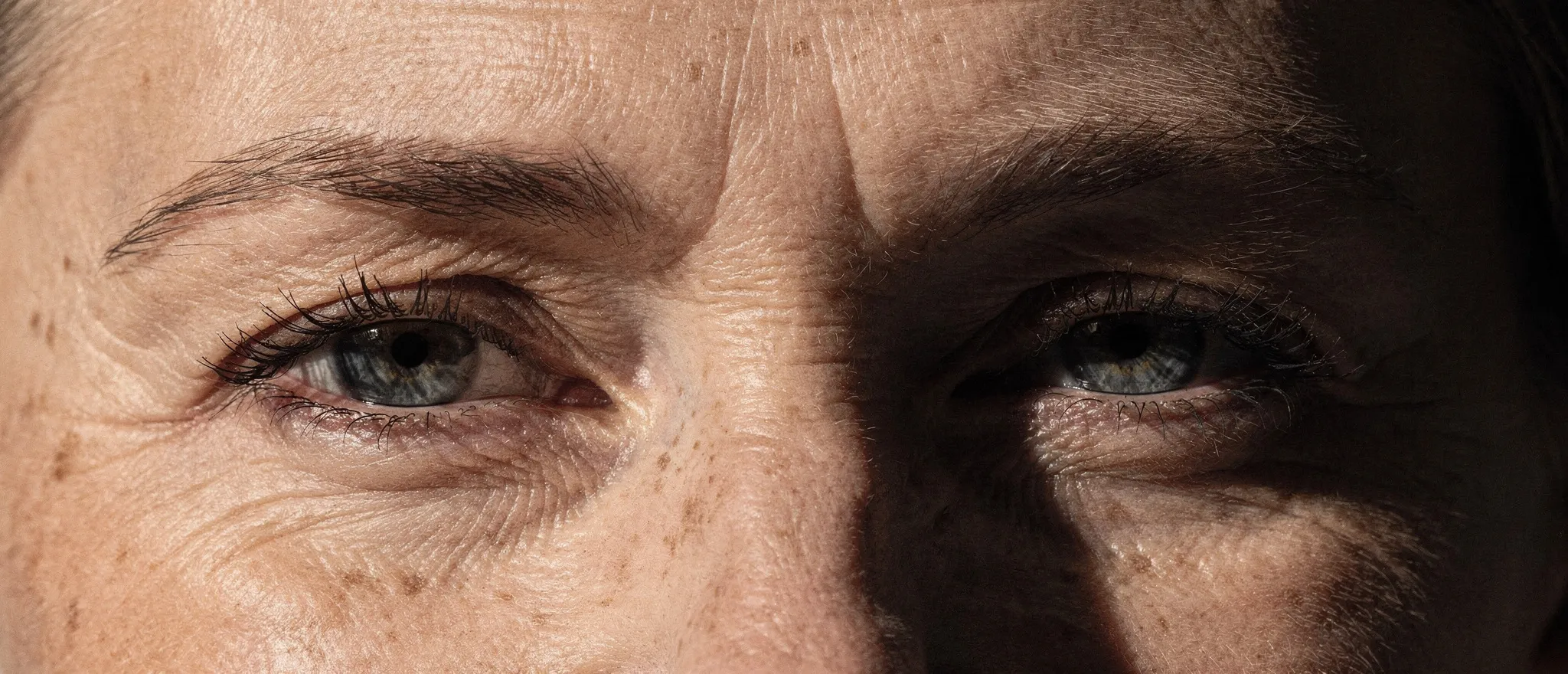
Commissioned editorial study for this concern
Assessment with Dr Rakib

What's happening

Ageing skin & loss of firmness: what is actually happening?

Ageing skin is a multi-factorial process. Collagen and elastin decline reduces firmness; loss of hyaluronic acid reduces hydration; repeated muscle movement etches lines; sun damage thins and pigments the surface; underlying bone and fat pads change the structural platform.

Treating one factor while ignoring the others produces incomplete results. The skill of a good consultation is identifying which factors are driving your specific concern, and which tools address each.

  • Of facial ageing

    4 layers

    Bone, fat pads, muscle, skin: each ages differently.

  • Collagen decline starts

    From 25

    Roughly 1% per year from the mid-twenties.

  • Best results

    Multi-modal

    One treatment rarely addresses one layer's problem.

The causes

Why does it happen?

Most cases come down to collagen and elastin decline, hyaluronic-acid loss, sun damage, repeated muscle movement, fat-pad descent, bone resorption. More than one is usually contributing at once, which is why the cause gets named before any treatment is suggested.

  1. Collagen and elastin decline

    Fibroblast activity slows from the mid-20s, producing less collagen than is lost. Skin gradually thins, loses recoil, and shows damage more readily.

  2. Hyaluronic acid loss

    The dermal water reservoir reduces with age. Less hydrated skin looks duller, creases more readily and recovers less from movement.

  3. Sun damage (photoageing)

    Cumulative UV exposure damages collagen, drives pigmentation changes and accelerates everything else. The single biggest controllable factor.

  4. Muscle movement

    Years of expression fold the skin overhead. Dynamic lines first appear with expression and gradually etch as permanent lines at rest.

  5. Fat-pad shift and bone change

    Deep fat compartments deflate and descend; bone resorbs at the mandible, eye sockets and forehead. The underlying platform changes.

The types

What are the different types?

There are 4 patterns worth telling apart, and the right plan depends on which one is yours.

  1. Skin-quality ageing

    Dullness, fine lines, dehydration, crepiness: driven by skin biology, not structure.

    Bioremodelling
  2. Dynamic line ageing

    Lines that appear with expression and remain visible at rest with time.

    Wrinkle relaxer injections
  3. Structural / volume ageing

    Sagging, hollows and changes to facial proportions driven by bone and fat shifts.

    Full face rejuvenation
  4. Photoaged skin

    Visible sun damage: pigmentation, texture, deep dermal change.

    Microneedling

Which one is yours

Which one are you seeing?

Match what you notice in the mirror to a likely cause and the pathway worth discussing. It is a starting point, not a diagnosis: the assessment confirms it.

  1. If you notice

    “My skin looks dull and feels dry, but my face shape hasn't changed”

    Possible cause

    Skin-quality ageing

    Pathway

    Hydration and collagen-stimulation programmes

    Bioremodelling
  2. If you notice

    “I see lines when I frown that stay there afterwards”

    Possible cause

    Dynamic line ageing

    Pathway

    Wrinkle relaxer injections to soften the repeated movement

    Frown lines treatment
  3. If you notice

    “My face looks tired and slightly hollow, especially in the cheeks”

    Possible cause

    Volume and bone-platform change

    Pathway

    Structural restoration where the assessment shows it's needed

    Full face rejuvenation
  4. If you notice

    “I have lots of sun damage and uneven skin texture”

    Possible cause

    Photoageing: surface and dermal

    Pathway

    Collagen-induction programme with strict sun protection

    Microneedling
  5. If you notice

    “My jawline used to be sharper”

    Possible cause

    Bone and fat-pad shift below the soft tissue

    Pathway

    Structural support with biostimulator or volume enhancement

    Jawline contour

What treats it

Which treatment actually addresses it?

The one that matches your cause. Each pathway below pairs a driver with the plan Dr Rakib Uddin would discuss for it: same concern, different cause, different treatment.

  1. When skin quality is the main driver

    These stimulate the skin's own repair processes without changing structure.

  2. When muscle movement is the main driver

    Reducing chronic creasing softens dynamic lines and prevents further etching.

  3. When structural change is the main driver

    Rebuilding the platform addresses what soft-tissue treatment alone cannot.

Prevention

What slows it down?

The habits below protect the result of any treatment, and slow the concern when it is still early. None of them replace assessment; all of them help.

  • Sun protection: every day

    The single most effective intervention. Broad-spectrum SPF 50+ daily, regardless of weather. Protects existing collagen and the result of every treatment you'll ever have.

  • Sleep, hydration, stress management

    Skin reflects lifestyle. Chronic sleep debt and dehydration visibly accelerate ageing; stress drives the muscle activity that etches lines.

  • Evidence-based topicals

    Retinoids, vitamin C and well-formulated moisturisers have decades of clinical evidence. Skip the trends; stick with what works.

  • Treat early, treat lightly

    Maintenance treatments started when changes first appear are more effective and less invasive than catch-up later. Less is usually more, started earlier.

Common beliefs

What do people get wrong about it?

The beliefs patients most often arrive with, next to what is actually true.

  • Commonly believed

    “Drinking more water plumps the skin”

    In practice

    Internal hydration matters for health but doesn't reach the dermis as topical or injectable hyaluronic acid does. Skin moisture comes from inside, but you can't 'top it up' by drinking more once daily requirements are met.

  • Commonly believed

    “Expensive moisturisers reach the dermis”

    In practice

    Topical hydration sits on the surface. It doesn't reach the deeper dermal layer where structural ageing happens. Injectable hydration (bioremodelling, polynucleotides) reaches that layer; cream cannot.

  • Commonly believed

    “Wrinkle relaxer injections cause faster ageing if you stop”

    In practice

    Not supported by evidence. When treatment stops, muscle activity simply resumes; the skin doesn't age faster than it would have without treatment.

In consultation

Ageing skin is rarely one problem: that's why one-tool plans plateau.

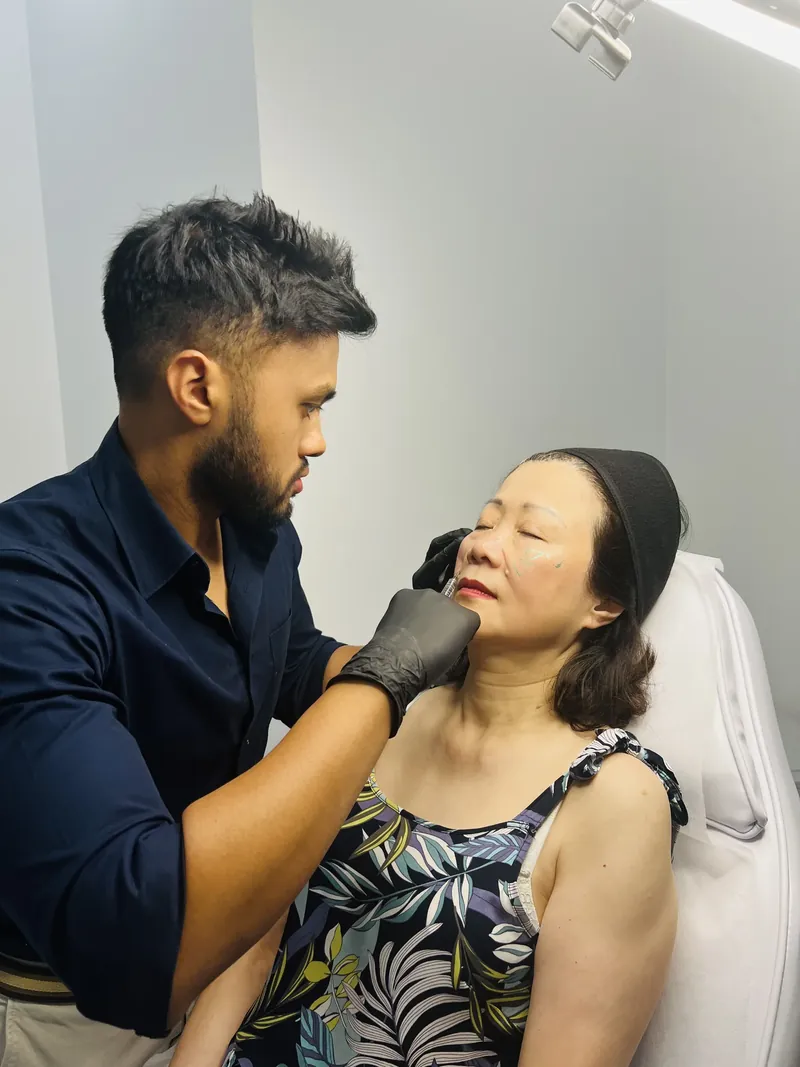
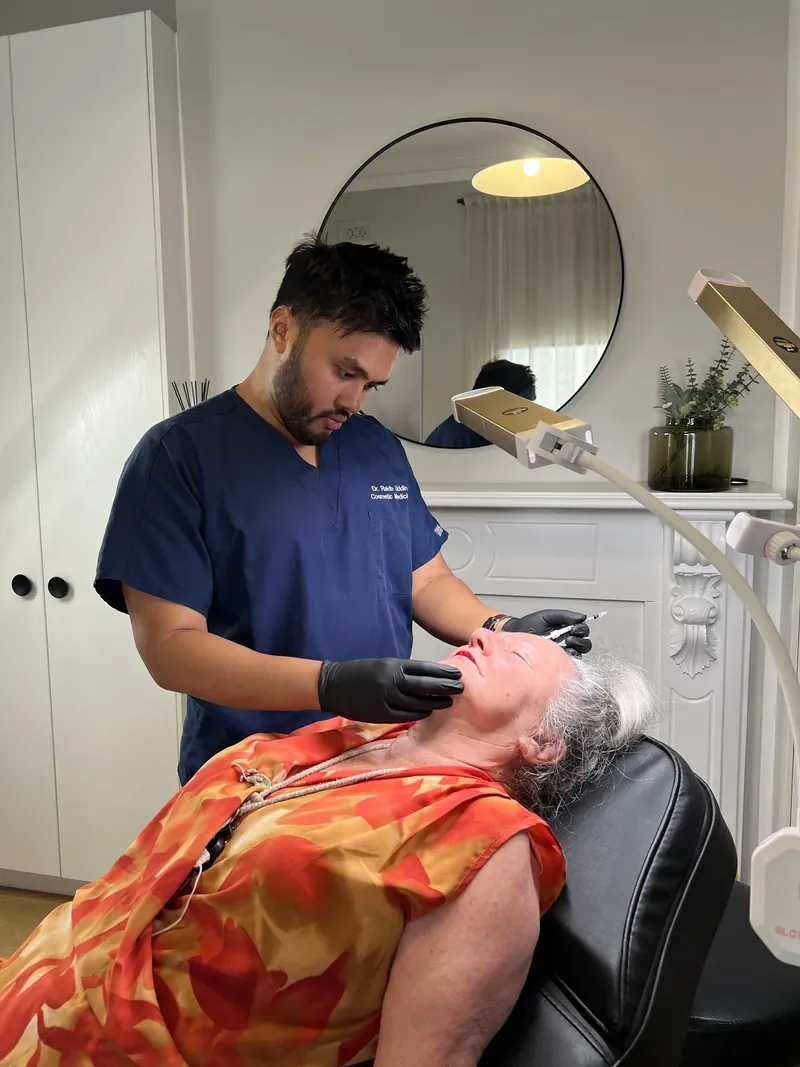
Cause before treatment: how Dr Rakib Uddin approaches ageing skin & loss of firmness.

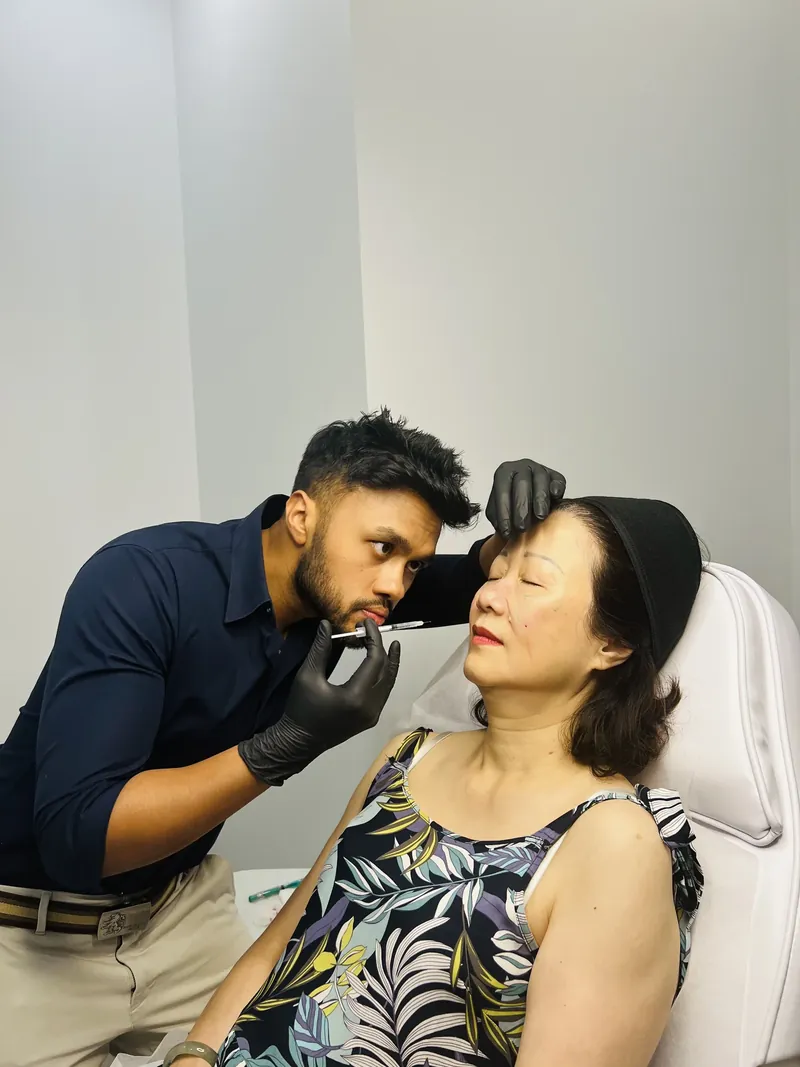
Dr Rakib Uddin, cosmetic doctor and founder of Aesthetic Doctors Australia

Your doctor

Dr Rakib Uddin

Cosmetic Doctor & Founder

  • MBBS (Qld)
  • BMedSci (Hons)
  • Dip. Surgical Anatomy
  • Fellow ACCSM

AHPRA MED0001936872

Every consultation for ageing skin & loss of firmness is performed by Dr Rakib and his team: never delegated to a non-medical injector.

Dr Rakib Uddin is a Melbourne-based cosmetic doctor with formal surgical-anatomy training and over a decade in medicine. He performs every consultation, treatment and review at Aesthetic Doctors Australia personally, and trains other doctors in advanced injectable technique at Derma Medical Academy.

“If a treatment isn't right for you, I'll tell you. Every plan is built around your anatomy, not a template, and the goal is always a refreshed version of you, not a new face.”
  • Listen to your concern in full
  • Comprehensive medical and aesthetic assessment
  • Step-by-step treatment plan: single session or staged
  • Full discussion of risks, limitations and alternatives
  • Decline to treat when a procedure would do more harm than good
About the practice

Expert questions

The questions worth asking about ageing skin & loss of firmness.

The questions that come up in the room, answered the way Dr Rakib answers them.

What age should I start treatment?

Realistically: when changes you want to address are starting to appear. Treating earlier than that adds little; waiting until changes are severe limits how much improvement is possible. A consultation in your late 20s to early 30s is reasonable for assessment, with treatment when you and the doctor agree on a plan.

Will treatment look obvious?

Not with restraint and proper planning. The over-treated look comes from too much volume, too many areas at once, or chasing trends. Staged plans focused on natural results produce changes that nobody can quite identify, just 'you look well'.

Can I prevent ageing entirely?

No, and any clinic that promises to is selling, not advising. Ageing is biology. Good prevention and treatment slow and soften the process; they don't stop it. Realistic expectations produce satisfied patients.

How much will a full programme cost?

Varies markedly with what your anatomy needs. A consultation produces a staged plan with quotes per stage so you can see the total before committing. Many patients find that a doctor-planned programme costs less than piecemeal treatment elsewhere.

Should I have something done before an event?

Realistically: don't introduce anything new within a fortnight of a major event. Bruising, swelling and adaptation periods are unpredictable. Existing maintenance can be timed; new treatment shouldn't be.

Consultation first

Understand the cause. Then choose the pathway.

A consultation with Dr Rakib Uddin works out what's driving ageing skin & loss of firmness in your case, then matches the right treatment, an alternative, or no treatment at all.

1167 Burke Road, Kew VIC 3101

Important treatment information

All information on this page is general in nature and is not a substitute for a medical consultation. Any before-and-after images shown are for illustrative purposes only and do not guarantee individual outcomes. Treatments performed by Dr Rakib Uddin (AHPRA MED0001936872) vary based on each patient's unique anatomy, medical history and needs. All cosmetic injectable treatments carry risks; a consultation is required prior to any treatment to assess suitability, discuss risks and alternatives, and establish realistic expectations.

Consultation Ageing skin & loss of firmness
Book