Aesthetic Doctors Australia

Menu

Where would you like to begin?

Polynucleotide skin repair in Kew, Melbourne

Polynucleotides Treatment Melbourne

A regenerative skin treatment that works on repair rather than volume: polynucleotides signal your skin to heal, thicken and behave younger.

Reviewed by Dr Rakib Uddin AHPRA MED0001936872

  • Performed by Dr Rakib and his team
  • Personalised assessment first
  • Clear advice, including when not to treat
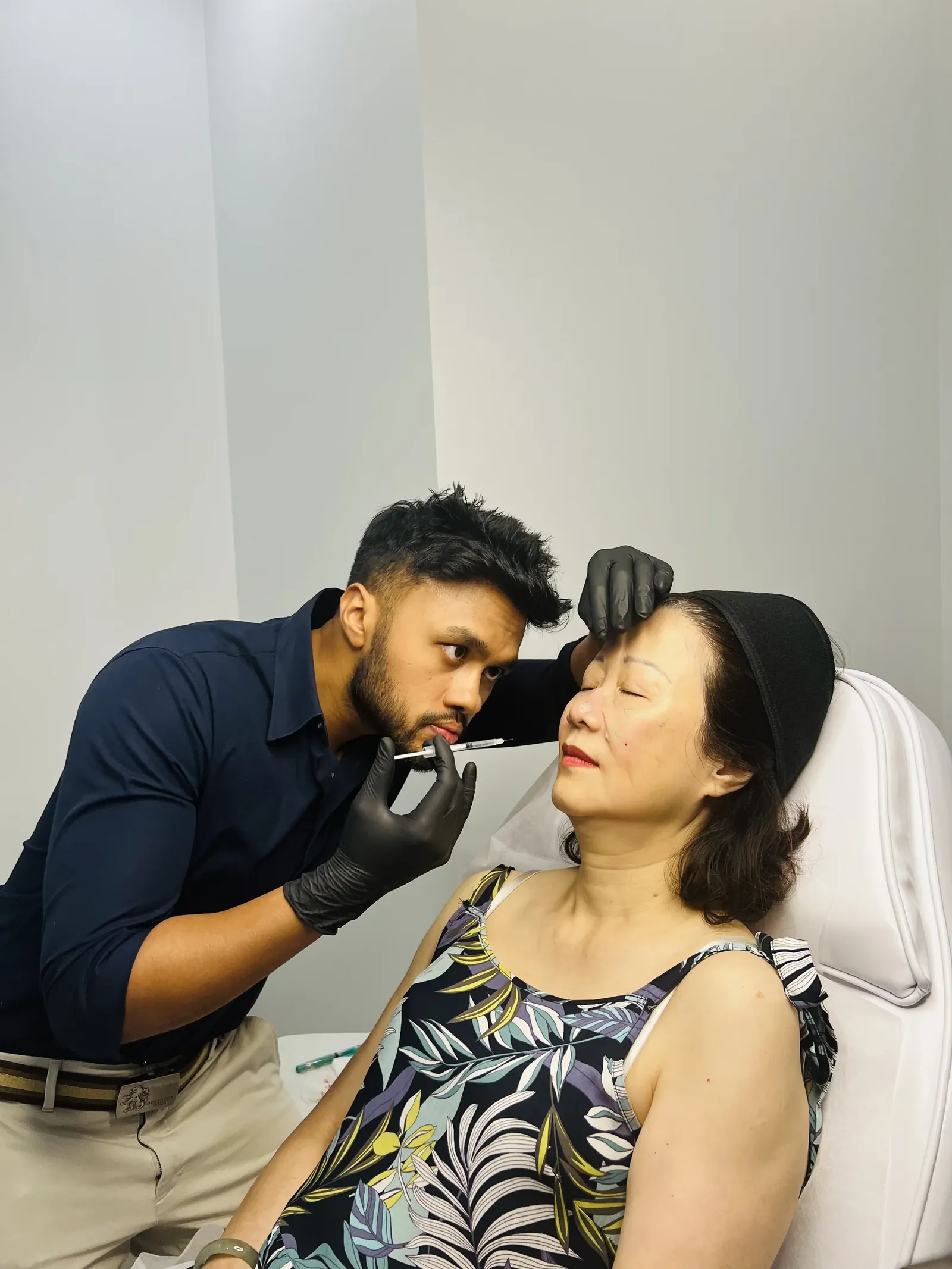
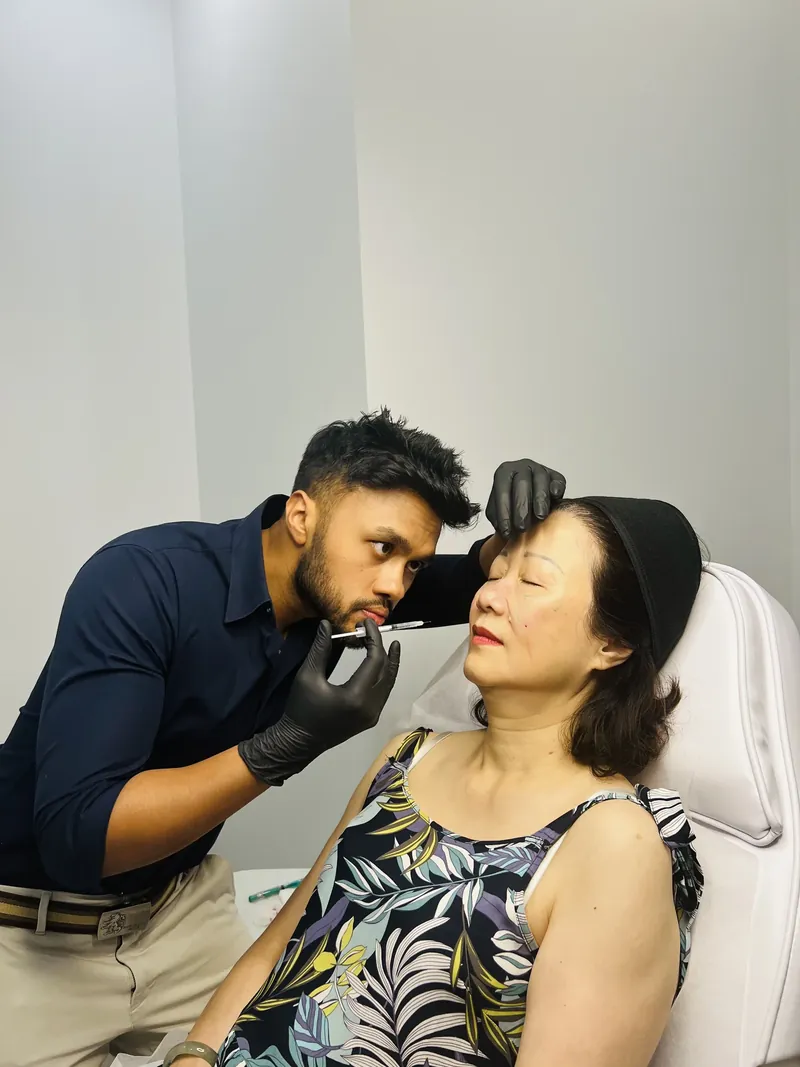
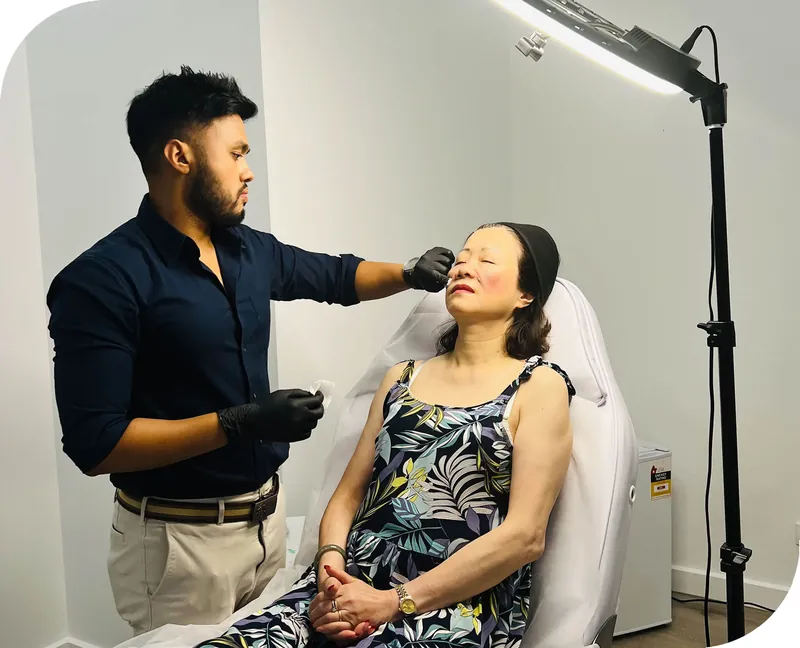
Dr Rakib Uddin performing a skin injectable treatment at Aesthetic Doctors Australia
Performed by Dr Rakib

What it is

What is polynucleotide skin booster?

Polynucleotides is an injectable skin treatment based on polynucleotides: purified DNA fragments that act as biological repair signals. Rather than filling or relaxing, it prompts skin cells to do what they did when younger: repair damage, produce collagen and maintain a healthy barrier.

It occupies a distinct category from both filler and wrinkle relaxer treatment. The result is measured in skin behaviour (texture, elasticity, hydration, healing) rather than in shape change, which makes it suited to skin that looks tired, thin or damaged rather than deflated.

  • Programme

    3–4 sessions

    Spaced two to four weeks apart for cumulative response.

  • Result review

    Week 12

    Texture, firmness and line change assessed against baseline.

  • Quality, not shape

    0 volume added

    Improves how your skin functions: nothing changes the contours of your face.

What it treats

What does polynucleotide skin booster treat?

Polynucleotide skin booster is most often planned for skin quality, fine lines, acne scarring, under-eye crepiness, barrier repair. The treatment only makes sense when it matches the cause of your concern; here is where it fits.

  • Ageing skin & loss of firmness

    Explore this concern

    Why it happens

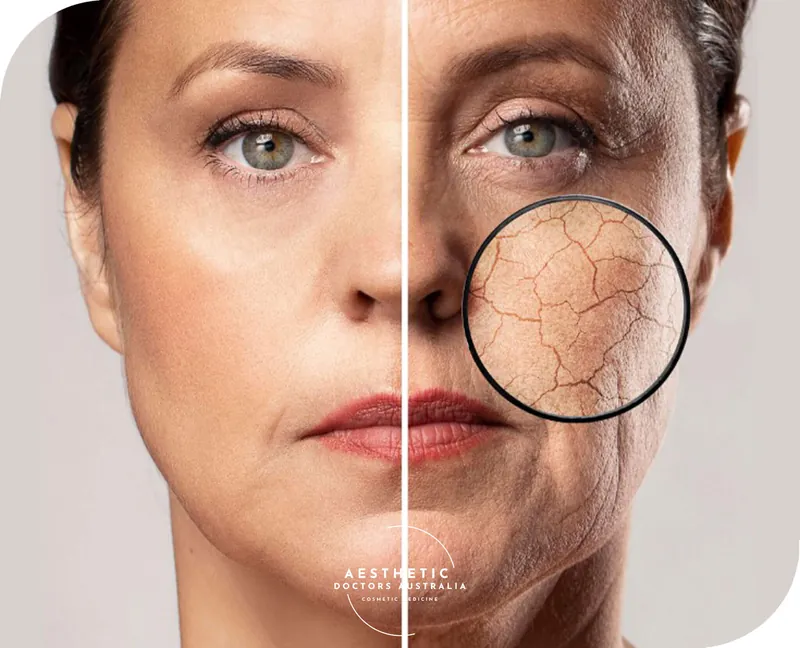
    From the mid-twenties, fibroblast activity slows: less collagen is made than lost, repair lags behind damage, and skin gradually thins and roughens.

    Treatment role

    Polynucleotides re-activate fibroblast repair activity: addressing the slowdown itself rather than compensating for its effects.

  • Acne scars & uneven texture

    Explore this concern

    Why it happens

    Inflammatory acne damages dermal architecture; the repair that follows is often incomplete, leaving depressed scars and irregular texture.

    Treatment role

    Injected into and around scarring, polynucleotides support proper remodelling, often programmed alongside microneedling for compounding effect.

  • Under-eye crepiness & darkness

    Explore this concern

    Why it happens

    The under-eye skin is the face's thinnest; it ages first, turning crepey and translucent so the vasculature beneath shows as darkness.

    Treatment role

    A dedicated under-eye protocol thickens and strengthens this delicate skin where filler is often the wrong answer.

Results

Each case is a single composite photographed at the practice: the concern that brought the patient in, the treatment performed, and the point at which the result was reviewed. Outcomes vary from person to person. This is clinical context, not a promise.

Every consented case across all treatments
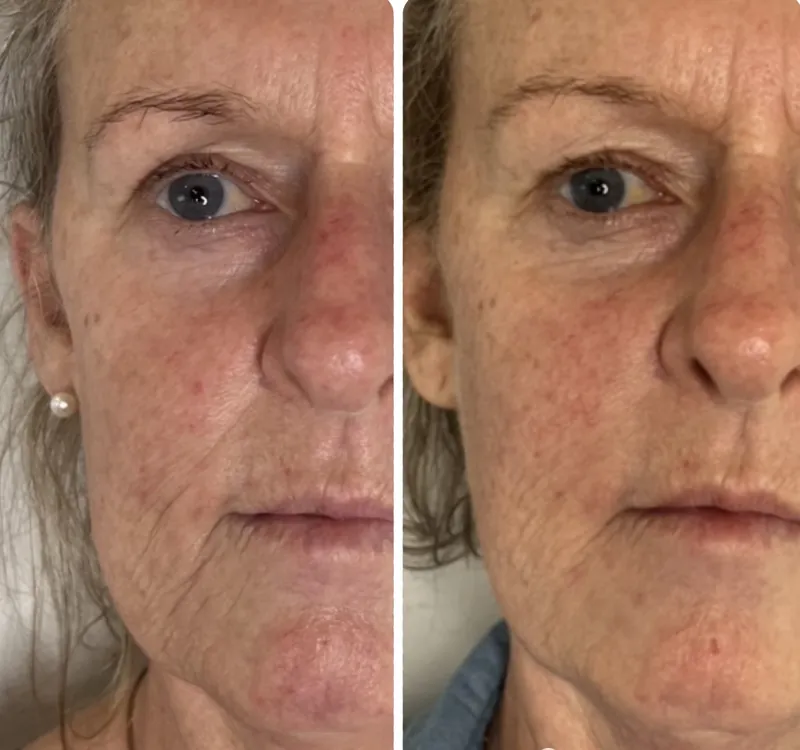
Close before and after composite of the cheek and under-eye showing improved skin texture
This result is specific to this patient and will not necessarily reflect another person's outcome.
Concern
Fine lines and crepe texture through the cheek and under-eye
Treatment
Polynucleotide skin treatment
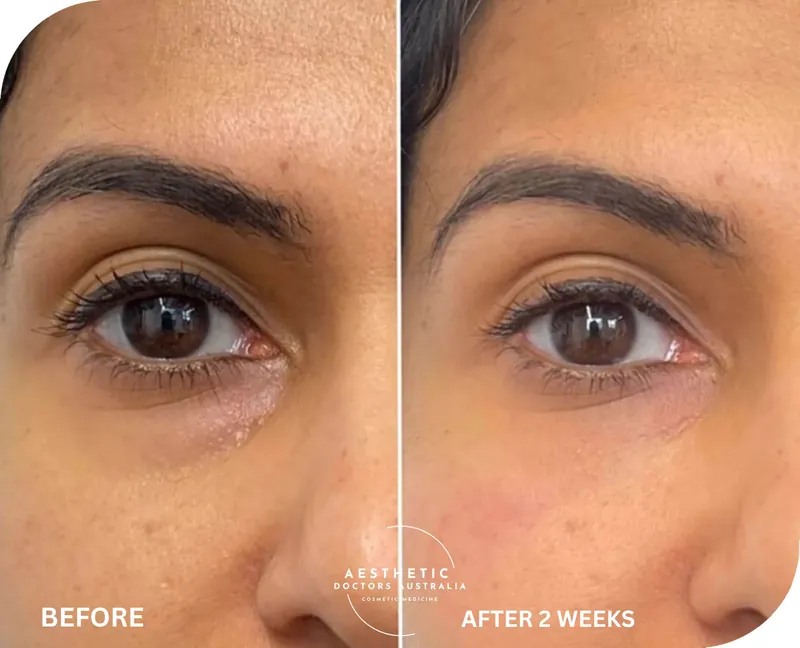
Close before and after composite of polynucleotide treatment showing smoother, brighter under-eye skin
This result is specific to this patient and will not necessarily reflect another person's outcome.
Concern
Crepey texture and shadowing under the eyes
Treatment
Polynucleotide skin booster

Images are real patients treated by Dr Rakib Uddin and are used with consent. Individual outcomes vary depending on anatomy, medical history, technique and aftercare; results shown are not a guarantee of yours.

How it works

How does polynucleotide skin booster work?

Polynucleotides injection technique by Dr Rakib at Aesthetic Doctors Australia Step 01

01 / 04

The repair signal

Polynucleotides are recognised by skin cells as a wound-repair cue. Fibroblasts respond by ramping up production of collagen, elastin and the extracellular matrix: the scaffolding that gives skin its thickness and bounce.

Refined skin quality result after a polynucleotides polynucleotide treatment programme Step 02

02 / 04

Why salmon DNA

The polynucleotides are purified from salmon, whose DNA is remarkably compatible with human tissue and provokes minimal immune response. Purification removes everything but the nucleotide chains themselves.

Layered programme planning for polynucleotides skin treatment by Dr Rakib in Kew, Melbourne Step 03

03 / 04

Programme logic

Repair is cumulative, not instant. Each session layers another repair stimulus on tissue still responding to the last: which is why the protocol is three to four sessions, two to four weeks apart, with the result assessed at twelve weeks rather than day one.

Under-eye and full-face skin quality reference for polynucleotides assessment Step 04

04 / 04

What it doesn't do

Polynucleotides adds no volume and creates no shape change. Hollow under-eyes, deflated cheeks or structural folds need different tools. Its lane is skin quality, and within that lane it does something no filler can.

Whether it suits you

Is polynucleotide skin booster right for you?

The two lists below are where that answer starts; it is confirmed in person, never assumed. Balanced information protects you.

May be suitable for

  • Skin that looks tired, thin, dull or crepey despite good skincare
  • Fine static lines not driven by muscle movement
  • Acne scarring and post-inflammatory texture
  • The delicate under-eye zone where filler is unsuitable
  • Patients wanting regenerative treatment with nothing 'added' to their look

The assessment

What happens at a polynucleotide skin booster consultation?

Expertise shows in process. Before any recommendation, your consultation examines:

Book your assessment
  1. 01

    Skin thickness, texture and elasticity across the treatment zone

  2. 02

    Whether your concern is genuinely skin-quality or actually volume/structure in disguise

  3. 03

    Scarring type and depth, if scar treatment is the goal

  4. 04

    Under-eye anatomy: distinguishing crepey skin from hollow from puffiness

  5. 05

    Your skincare, sun exposure and healing history

  6. 06

    Programme planning: sessions, spacing and any combination treatments

What to expect

How long does polynucleotide skin booster take to work?

The short version: progressive over the programme; reviewed at 12 weeks. Stage by stage:

  1. Days 0–3

    Each session

    Fine injection points visible, occasionally with small blebs that flatten within 24–72 hours.

  2. Weeks 2–4

    Between sessions

    Repair processes work quietly; many patients notice early glow and hydration.

  3. Week 8–10

    Programme complete

    Three to four sessions delivered; collagen remodelling is now well underway.

  4. Week 12

    Result review

    Texture, firmness and line softening assessed against baseline photos.

  5. 6–12 months

    Maintenance

    Single top-up sessions maintain the improvement; skin continues ageing from a better baseline.

Aesthetic medicine

In practice
The aim is healthier-behaving skin: measured in texture, not contour.

A consultation philosophy of restraint, anatomical precision and natural-looking outcomes: applied to polynucleotide skin booster planning.

Aesthetic Doctors Australia
by Dr Rakib

On the day

What happens during a polynucleotide skin booster appointment?

  1. 01

    Consultation

    Your concern, history and goals: discussed before anything else.

  2. 02

    Assessment

    Anatomy, suitability and alternatives examined properly.

  3. 03

    Planning

    A personalised plan with costs, staging and realistic outcomes.

  4. 04

    Procedure

    Performed by Dr Rakib or a clinician working to his plan, with comfort prioritised.

  5. 05

    Recovery

    Clear aftercare and direct access to the clinic with questions.

  6. 06

    Review

    Results checked against plan; refinements made where needed.

Recovery

What is recovery like after polynucleotide skin booster?

Typical downtime: visible injection points 24–72 hours. The specifics:

What's normal afterwards

  • Visible injection points for one to three days
  • Small raised blebs immediately after under-eye treatment, settling within days
  • Mild redness or tenderness on the day

What to avoid

  • Makeup over the area for 12–24 hours
  • Strenuous exercise, saunas and alcohol for 24 hours
  • Active skincare (retinoids, acids) for 48 hours
  • Sun exposure without SPF throughout the programme
Complete aftercare guide

Risks and limits

What are the risks of polynucleotide skin booster?

No effective treatment is risk-free, and no treatment does everything. Knowing both sides is part of informed consent.

Possible side effects

  • Injection-point marks and possible pinpoint bruising
  • Temporary blebs or swelling, most noticeable under the eyes
  • Rare allergic response: screened for at consultation

Limitations to understand

  • Results build gradually; this is a programme, not a single-visit fix
  • Improvement is real but proportionate: skin behaves and looks healthier, it doesn't become twenty again
  • Deep scarring may also need microneedling or other modalities
  • Maintenance is required to hold the gain long-term

The alternatives

Polynucleotide skin booster compared with the alternatives

Polynucleotides vs bioremodelling

Polynucleotides

  • Repair-and-regenerate signal
  • Strongest for damage: scars, crepiness, thin skin
  • Salmon-DNA derived

Bioremodelling (hyaluronic acid)

  • Deep hydration plus collagen stimulus
  • Strongest for dullness and early laxity
  • Hyaluronic-acid based

Which one Repair versus hydrate is the simplest framing: damaged or scarred skin leans polynucleotides; dehydrated, lax skin leans bioremodelling. They can also be sequenced in one programme when both apply.

Polynucleotides vs under-eye filler

Polynucleotide under-eye treatment protocol

  • Treats the skin itself
  • Right answer for crepey, dark, thin under-eyes
  • No volume risk in a delicate zone

Tear-trough filler

  • Fills a true hollow
  • Right answer for structural shadow
  • Higher-risk zone demanding expert placement

Which one The under-eye question is always 'hollow or skin?'. Filling crepey skin makes it look worse; treating a true hollow with skin boosters under-delivers. Assessment decides, sometimes the answer is both, staged.

What it costs

What does polynucleotide skin booster cost?

You receive an itemised written quote at consultation, before committing to anything. The consultation is $75 for 45 minutes with Dr Rakib Uddin, redeemed against your treatment if you go ahead.

Programmes are quoted as a whole at consultation so you can see the full investment before starting.

What determines your quote

  • 01 Treatment zone (full face, under-eye protocol, scar areas)
  • 02 Number of sessions in your programme
  • 03 Combination treatments where indicated
  • 04 Maintenance schedule after the initial programme

You commit to nothing in advance: the consultation costs nothing and the quote is written before anything is booked. If the recommendation is not to treat, that advice is the whole appointment.

Afterpay acceptedZip accepted

Afterpay and Zip are available for treatment fees at the clinic, subject to each provider's own approval and terms.

Dr Rakib Uddin, cosmetic doctor and founder of Aesthetic Doctors Australia

Your doctor

Dr Rakib Uddin

Cosmetic Doctor & Founder

  • MBBS (Qld)
  • BMedSci (Hons)
  • Dip. Surgical Anatomy
  • Fellow ACCSM

AHPRA MED0001936872

Whatever is recommended at your consultation is planned by Dr Rakib and performed by him or a clinician on his team: never by a non-medical injector.

Dr Rakib Uddin is a Melbourne-based cosmetic doctor with formal surgical-anatomy training and over a decade in medicine. He performs every consultation, treatment and review at Aesthetic Doctors Australia personally, and trains other doctors in advanced injectable technique at Derma Medical Academy.

“If a treatment isn't right for you, I'll tell you. Every plan is built around your anatomy, not a template, and the goal is always a refreshed version of you, not a new face.”
  • Listen to your concern in full
  • Comprehensive medical and aesthetic assessment
  • Step-by-step treatment plan: single session or staged
  • Full discussion of risks, limitations and alternatives
  • Decline to treat when a procedure would do more harm than good
About the practice

Expert questions

The questions worth asking about polynucleotide skin booster.

The questions that come up in the room, answered the way Dr Rakib answers them.

What makes polynucleotides different from every other injectable?

Its target. Filler changes shape, wrinkle relaxer changes movement: Polynucleotides changes how your skin functions. It's the difference between compensating for ageing and persuading the tissue to repair itself. The trade-off: results build over weeks, not instantly.

Is the salmon-DNA origin safe?

The polynucleotides are highly purified: proteins that could trigger immune response are removed, leaving only the nucleotide chains, which are structurally near-identical across species. The practical exception is patients with fish allergy, which we screen for at consultation.

Why do I need three or four sessions?

Because collagen remodelling is biology, not chemistry. It compounds with repeated stimulus. One session gives your skin one repair signal; a programme keeps the signal sustained through a full remodelling cycle. Single sessions deliver visibly less, which is why we don't recommend them.

When will I actually see the difference?

Hydration and glow often appear within a fortnight of the first session. The structural changes (firmer texture, softened lines, stronger under-eye skin) mature over the programme and are assessed at twelve weeks, when we compare against your baseline photos.

Can polynucleotides replace my under-eye filler?

If your under-eye issue is skin quality (crepiness, darkness from translucent skin, fine lines) it's often the better tool, and the safer one in that anatomy. If you have a true tear-trough hollow, skin treatment alone won't fill it. Many patients need the distinction explained with a mirror, which is exactly what the consultation is for.

How does it pair with microneedling?

Strongly, for scarring and texture. Microneedling creates controlled micro-injuries that trigger remodelling; polynucleotides supply the repair signal that shapes the response. Sequenced correctly the modalities compound: sequenced badly they just multiply downtime, so the programme order matters.

Consultation first

Book a personalised consultation.

Discuss polynucleotide skin booster with Dr Rakib Uddin: your anatomy, suitability, alternatives and realistic outcomes, before any decision is made.

1167 Burke Road, Kew VIC 3101

Important treatment information

All information on this page is general in nature and is not a substitute for a medical consultation. Any before-and-after images shown are for illustrative purposes only and do not guarantee individual outcomes. Treatments performed by Dr Rakib Uddin (AHPRA MED0001936872) vary based on each patient's unique anatomy, medical history and needs. All cosmetic injectable treatments carry risks; a consultation is required prior to any treatment to assess suitability, discuss risks and alternatives, and establish realistic expectations.

Consultation Polynucleotide skin booster
Book