Aesthetic Doctors Australia

Menu

Where would you like to begin?

Upper-face line assessment in Kew, Melbourne

Frown & forehead lines, explained.

Frown and forehead lines come from muscle movement. Treatment is one of the most established and predictable in aesthetic medicine, when dosed and mapped correctly. The skill is restraint, not just technique.

Reviewed by Dr Rakib Uddin AHPRA MED0001936872

  • The cause identified before any treatment
  • Assessed by Dr Rakib and his team
  • Alternatives explained, including not treating
  • A clear pathway to the right option
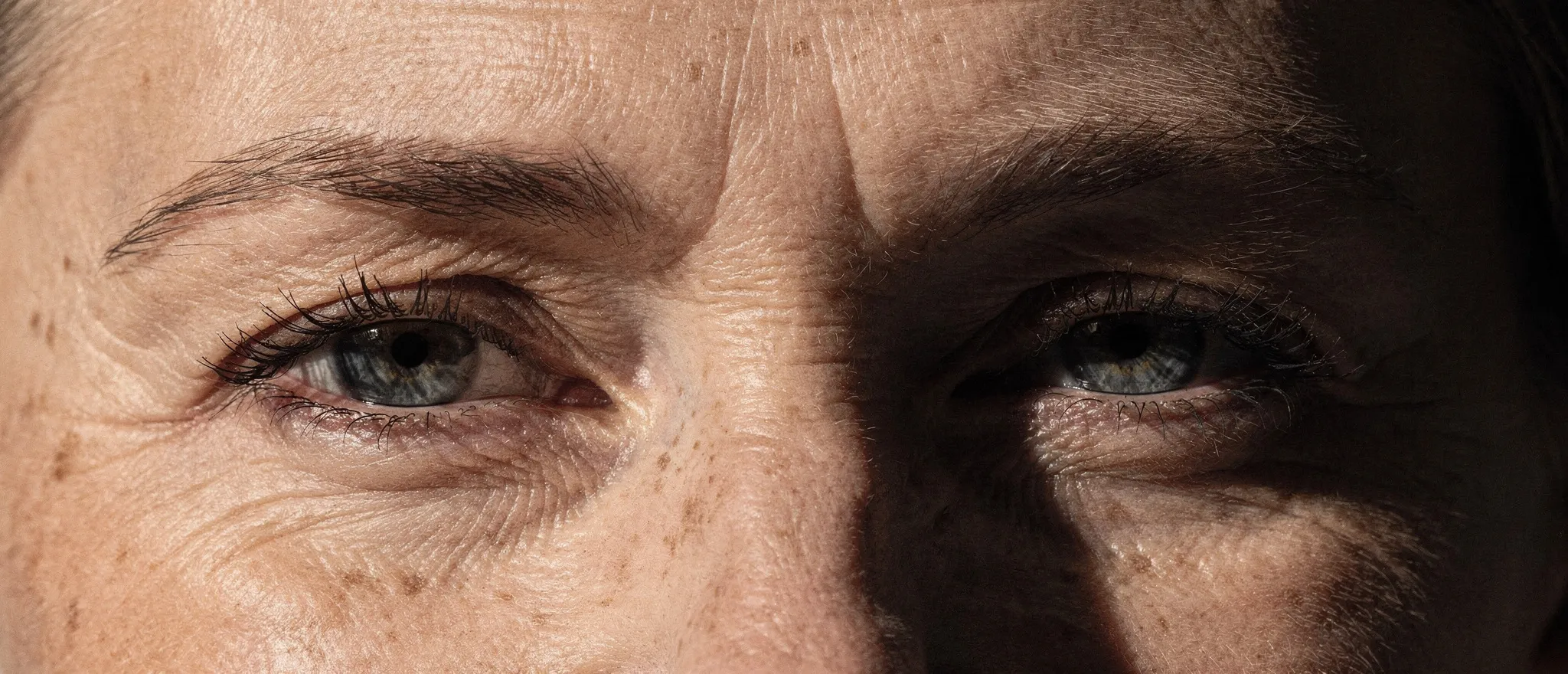
Commissioned editorial study for this concern
Assessment with Dr Rakib

What's happening

Frown & forehead lines: what is actually happening?

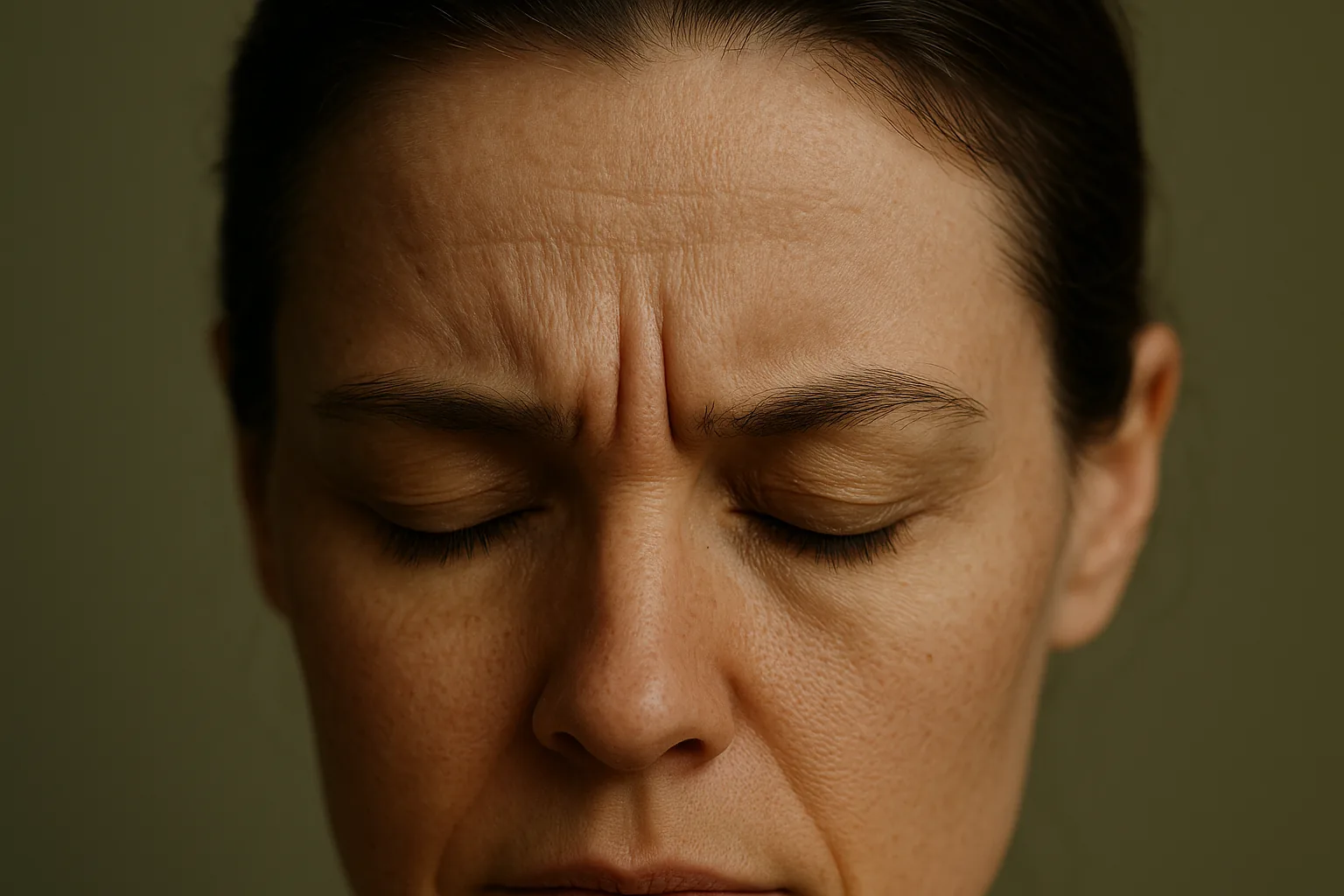
Frown lines (the vertical '11' between the brows) and forehead lines (horizontal lines on the forehead) are caused by repeated muscle contraction folding the skin overhead. Initially they appear only with expression; over years they etch as static lines remaining at rest.

Wrinkle relaxer injection treatment reduces the muscle's contraction strength, softening existing lines and preventing further etching. The skill is balanced dosing across the muscle system: treating frown or forehead alone often disappoints because they work as a pair.

  • Of treatments

    Most predictable

    Established protocols, decades of evidence.

  • More than dose

    Restraint matters

    Frozen looks come from over-treatment, not from the medication.

  • Full effect

    10–14 days

    Don't judge result on day 3.

The causes

Why does it happen?

Most cases come down to repeated muscle contraction with expression and stress; cumulative skin damage from sun and ageing. More than one is usually contributing at once, which is why the cause gets named before any treatment is suggested.

  1. Repeated muscle contraction

    Daily expression (frowning, raising brows, squinting) folds the skin thousands of times. The line is the result, not the cause.

  2. Skin quality decline

    Once skin can no longer recover fully from each fold, the line begins to remain at rest. The crease etches in.

  3. Sun damage

    UV exposure accelerates the skin's loss of recoil. Sun-damaged skin etches lines faster than protected skin.

  4. Stress and concentration patterns

    Chronic stress and screen-focus produce sustained muscle tension. The lines develop even in patients who don't consciously frown often.

The types

What are the different types?

There are 3 patterns worth telling apart, and the right plan depends on which one is yours.

  1. Dynamic lines

    Lines that appear only with expression; skin still recovers at rest.

    Wrinkle relaxer injections
  2. Mixed dynamic-static

    Lines visible with expression, faintly present at rest.

    Wrinkle relaxer + skin quality programme
  3. Established static lines

    Lines visible at rest; skin no longer fully recovers.

    Combined wrinkle relaxer and skin treatment

Which one is yours

Which one are you seeing?

Match what you notice in the mirror to a likely cause and the pathway worth discussing. It is a starting point, not a diagnosis: the assessment confirms it.

  1. If you notice

    “I only see the line when I frown or raise my brows”

    Possible cause

    Dynamic phase: early intervention window

    Pathway

    Wrinkle relaxer injection to soften before further etching

    Wrinkle relaxer injections
  2. If you notice

    “The line is faintly there even when I'm relaxed”

    Possible cause

    Mixed phase

    Pathway

    Wrinkle relaxer + skin work for the static component

    Combined treatment
  3. If you notice

    “Deep lines remain even at complete rest”

    Possible cause

    Static lines etched into skin

    Pathway

    Wrinkle relaxer prevents further etching; skin work softens what's there

    Polynucleotides for skin quality
  4. If you notice

    “My friends say I look angry even when I'm not”

    Possible cause

    Chronic glabellar tension

    Pathway

    Wrinkle relaxer to release the chronic pull

    Frown line treatment

What treats it

Which treatment actually addresses it?

The one that matches your cause. Each pathway below pairs a driver with the plan Dr Rakib Uddin would discuss for it: same concern, different cause, different treatment.

  1. When dynamic lines only

    Most established and predictable treatment. Restraint is what produces natural results.

  2. When mixed dynamic and early static

    Combine muscle relaxation with skin-quality treatment for both factors.

  3. When established deep static lines

    Realistic expectation: substantial softening, not full erasure. Combined plans produce best results.

Where to go next

The treatment guides worth reading.

Each guide explains how the treatment works, who it suits, recovery and cost. The right one for your case is confirmed at assessment, not assumed online.

Prevention

What slows it down?

The habits below protect the result of any treatment, and slow the concern when it is still early. None of them replace assessment; all of them help.

  • Sun protection

    Reduces the rate at which lines etch into skin. Daily SPF protects all your treatment results too.

  • Treat early, treat lightly

    Maintenance-level treatment from late 20s / early 30s prevents the decade of creasing that etches deep lines later. The biggest argument for starting before lines are deep.

  • Stress and screen patterns

    Chronic stress drives chronic muscle tension. Hard to eliminate but identifying patterns helps.

  • Skin care with evidence

    Retinoids and vitamin C support skin's recovery from creasing over years. Combine with treatment for compounding benefit.

Common beliefs

What do people get wrong about it?

The beliefs patients most often arrive with, next to what is actually true.

  • Commonly believed

    “Wrinkle relaxer injections make you look frozen”

    In practice

    Frozen looks come from over-treatment, not from the medication. Restrained, balanced doses leave normal expressive movement while softening lines. The aim is rested, not still.

  • Commonly believed

    “Stop treatment and your lines come back worse”

    In practice

    Not supported by evidence. When treatment stops, muscle activity gradually returns to baseline; lines return to their pre-treatment pattern. They don't worsen.

  • Commonly believed

    “Younger people shouldn't start”

    In practice

    If dynamic lines are starting to persist at rest, treating prevents them from etching deeper. Starting at 28 versus 48 produces materially different long-term outcomes.

In consultation

Soften the line, not the expression.

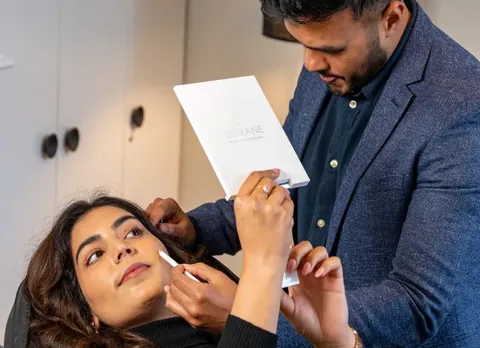
Cause before treatment: how Dr Rakib Uddin approaches frown lines & forehead wrinkles.

Dr Rakib Uddin, cosmetic doctor and founder of Aesthetic Doctors Australia

Your doctor

Dr Rakib Uddin

Cosmetic Doctor & Founder

  • MBBS (Qld)
  • BMedSci (Hons)
  • Dip. Surgical Anatomy
  • Fellow ACCSM

AHPRA MED0001936872

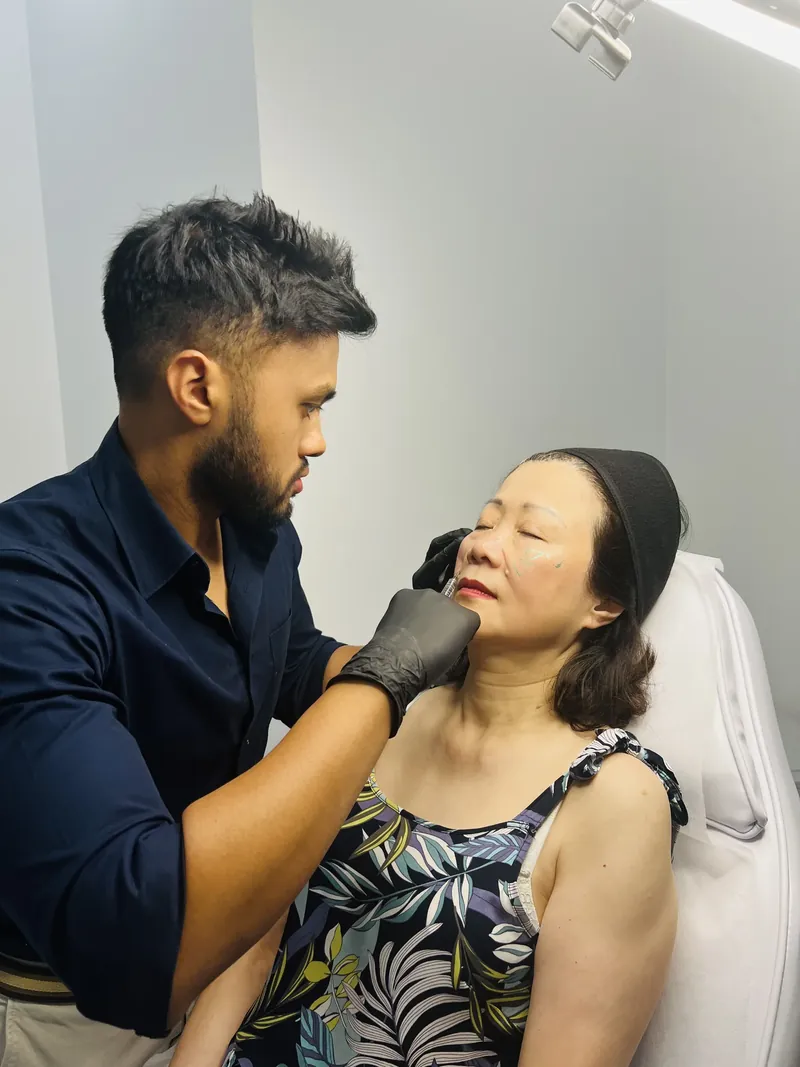
Every consultation for frown lines & forehead wrinkles is performed by Dr Rakib and his team: never delegated to a non-medical injector.

Dr Rakib Uddin is a Melbourne-based cosmetic doctor with formal surgical-anatomy training and over a decade in medicine. He performs every consultation, treatment and review at Aesthetic Doctors Australia personally, and trains other doctors in advanced injectable technique at Derma Medical Academy.

“If a treatment isn't right for you, I'll tell you. Every plan is built around your anatomy, not a template, and the goal is always a refreshed version of you, not a new face.”
  • Listen to your concern in full
  • Comprehensive medical and aesthetic assessment
  • Step-by-step treatment plan: single session or staged
  • Full discussion of risks, limitations and alternatives
  • Decline to treat when a procedure would do more harm than good
About the practice

Expert questions

The questions worth asking about frown lines & forehead wrinkles.

The questions that come up in the room, answered the way Dr Rakib answers them.

What's the right age to start?

When dynamic lines begin to persist faintly at rest. Treating before that is unnecessary; waiting much past it limits how much improvement is possible.

Will I look 'overdone'?

Not with restraint. The overdone look comes from over-treatment or wrong-muscle dosing: both avoidable with careful muscle mapping.

Why do I need to treat both frown and forehead together?

Because they're opposing muscles. Treating one without the other tilts the balance and frequently produces brow drop or asymmetric arches. They work as a system.

How long do results last?

Typically 3–4 months. Many patients hold longer over time as the chronic creasing reduces and muscle activity diminishes slightly with under-use.

What if my forehead is fine but my frown is bad?

We often treat frown alone, but we discuss what happens to the brow position when the depressors are released without balanced forehead work. Sometimes the right answer is treating both for balance.

Consultation first

Understand the cause. Then choose the pathway.

A consultation with Dr Rakib Uddin works out what's driving frown lines & forehead wrinkles in your case, then matches the right treatment, an alternative, or no treatment at all.

1167 Burke Road, Kew VIC 3101

Important treatment information

All information on this page is general in nature and is not a substitute for a medical consultation. Any before-and-after images shown are for illustrative purposes only and do not guarantee individual outcomes. Treatments performed by Dr Rakib Uddin (AHPRA MED0001936872) vary based on each patient's unique anatomy, medical history and needs. All cosmetic injectable treatments carry risks; a consultation is required prior to any treatment to assess suitability, discuss risks and alternatives, and establish realistic expectations.

Consultation Frown lines & forehead wrinkles
Book