Aesthetic Doctors Australia

Menu

Where would you like to begin?

Injectable skin remodelling in Kew, Melbourne

Bioremodelling Treatment Melbourne

An injectable that treats skin quality across the whole face: deep, lasting hydration and a collagen-elastin stimulus, with nothing added to your features.

Reviewed by Dr Rakib Uddin AHPRA MED0001936872

  • Performed by Dr Rakib and his team
  • Personalised assessment first
  • Clear advice, including when not to treat
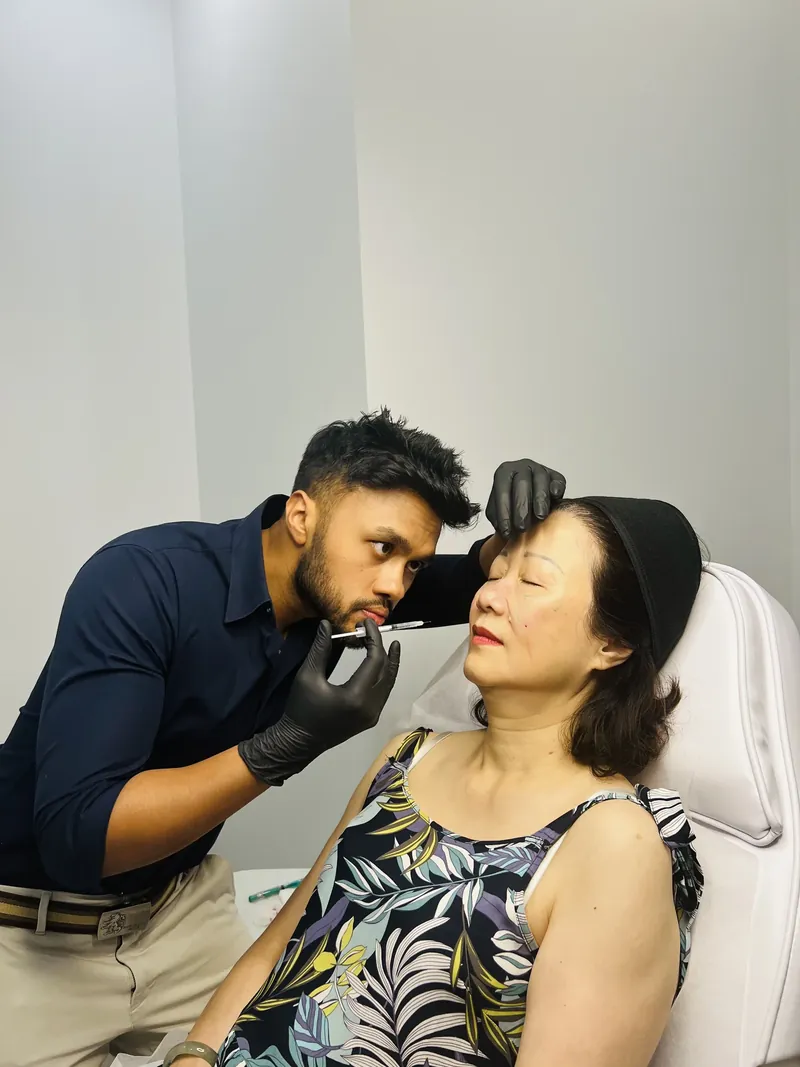
Bioremodelling injectable skin treatment at Aesthetic Doctors Australia by Dr Rakib in Kew
Performed by Dr Rakib

What it is

What is bioremodelling?

Bioremodelling uses one of the highest concentrations of hyaluronic acid available in aesthetic medicine, formulated as a slow-spreading gel rather than a structural filler. Injected at five anatomically mapped points per side of the face, it disperses through the skin layer rather than holding shape.

Its purpose is remodelling, not volumising: a sustained hydration reservoir combined with a stimulus that prompts the skin to produce four types of collagen and elastin. The result registers as quality (firmer, plumper, more luminous skin) without any change to your features.

  • Protocol

    2 sessions

    Four weeks apart: one session under-delivers by design.

  • Per session

    10 points

    Bio-aesthetic points chosen for safe planes and natural spread.

  • Maintenance

    Every 6 months

    A single session holds the gain once established.

What it treats

What does bioremodelling treat?

Bioremodelling is most often planned for dull, dehydrated, crepey skin; early laxity; loss of glow. The treatment only makes sense when it matches the cause of your concern; here is where it fits.

  • Ageing skin & loss of firmness

    Explore this concern

    Why it happens

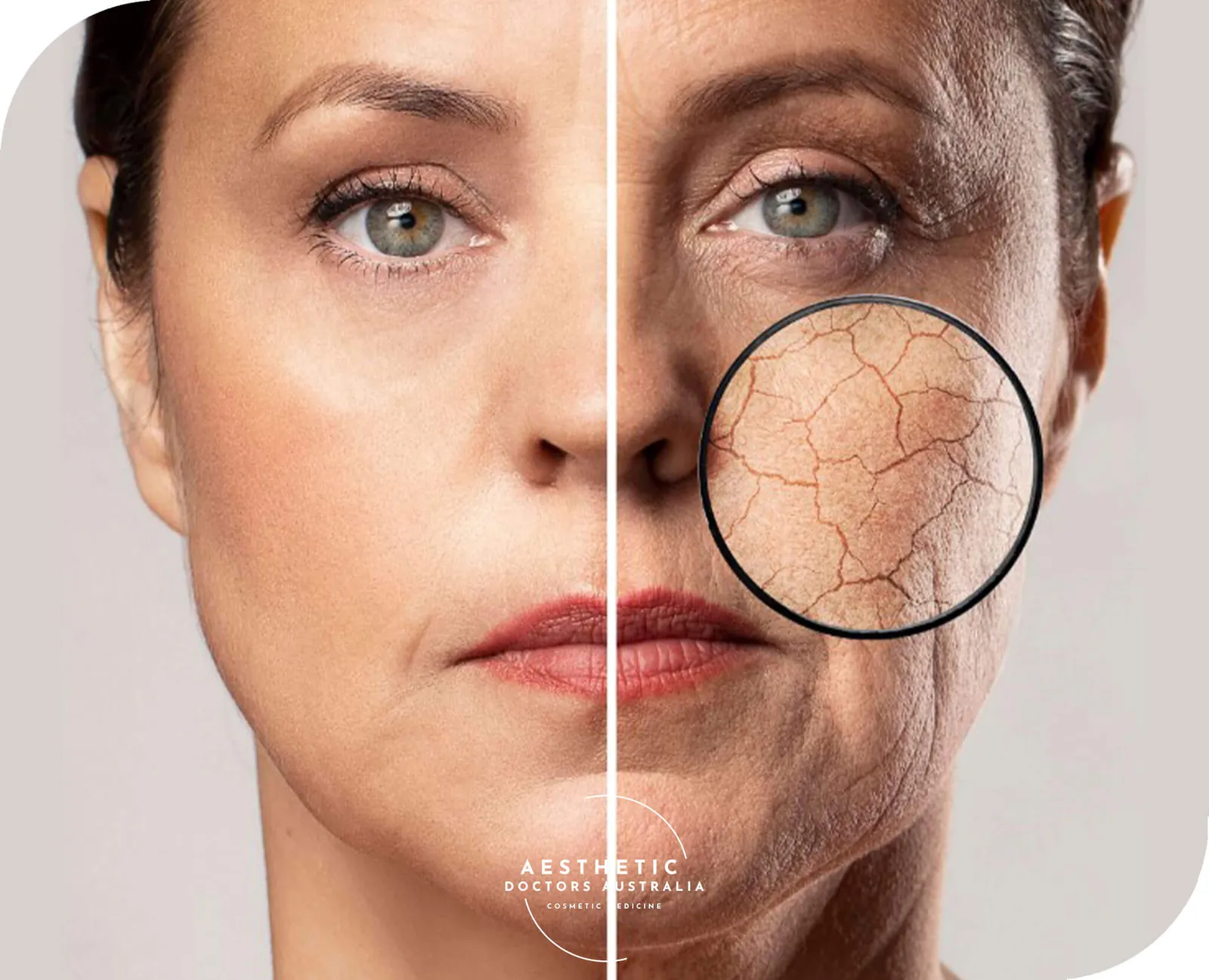
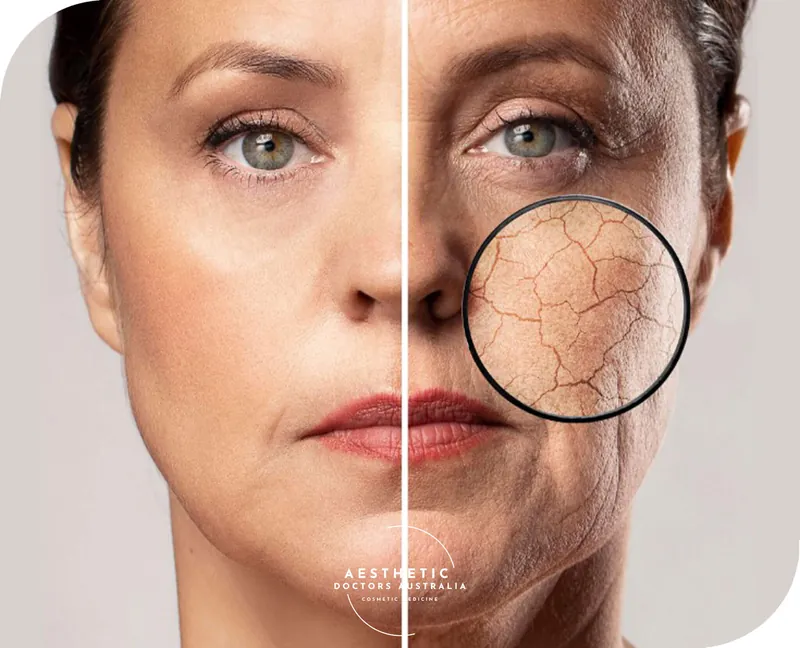
    Beyond collagen loss, ageing skin loses hyaluronic acid: the molecule that binds water in the dermis. Dehydrated skin photographs dull, creases readily and feels lax even before true sagging begins.

    Treatment role

    Bioremodelling restores the dermal water reservoir directly and stimulates new collagen and elastin: both hydration and structure in one treatment.

  • Tired-looking skin around the eyes

    Explore this concern

    Why it happens

    Thin periocular skin shows dehydration early: crepiness and dullness make the whole eye area read as exhausted.

    Treatment role

    Treated as part of the facial protocol, improved hydration and skin quality brighten the zone without the risks of filler near the eye.

How it works

How does bioremodelling work?

01 / 03

Two molecular weights, two jobs

The product blends high and low molecular-weight hyaluronic acid thermally bonded together. The low-weight fraction releases quickly, signalling fibroblasts and keratinocytes; the high-weight fraction persists as a hydrating scaffold that keeps the dermis plump for months.

Bioremodelling five-point injection map by Dr Rakib in Kew Step 02

02 / 03

The five-point map

Each side of the face is treated at five anatomically selected points: chosen for safe planes and natural spread patterns. From these points the gel disperses evenly through the dermal layer over about 24 hours, treating the whole aesthetic unit from minimal injections.

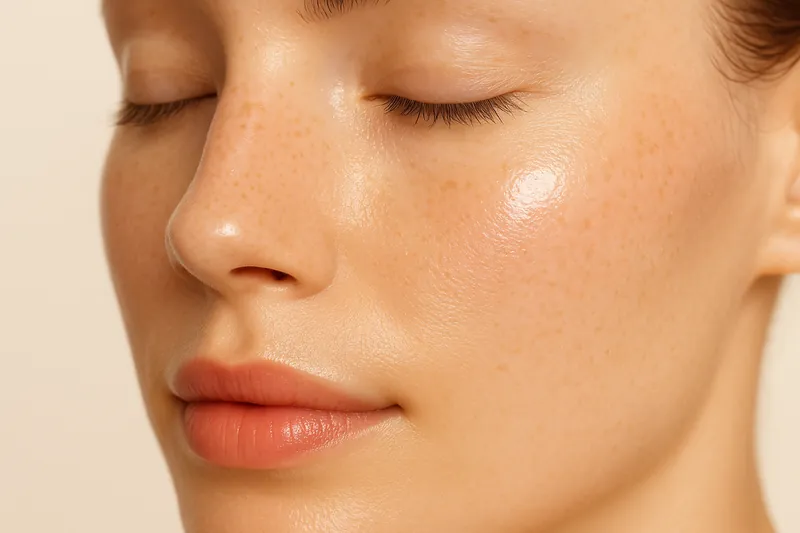
Glow and firmness result after a bioremodelling treatment programme in Melbourne Step 03

03 / 03

Remodelling, not filling

Because the gel is cohesive but not cross-linked for structure, it cannot create shape, lumps or heaviness. What it creates is a biological response: studies show increased collagen types I, III, IV and VII and elastin: the components that define young skin behaviour.

Whether it suits you

Is bioremodelling right for you?

The two lists below are where that answer starts; it is confirmed in person, never assumed. Balanced information protects you.

May be suitable for

  • Skin that looks tired, dull or 'deflated in quality' from the 30s onward
  • Early laxity not yet needing lifting treatment
  • Patients wanting maximum skin improvement with zero change to features
  • Preparing or maintaining skin around other treatments

The assessment

What happens at a bioremodelling consultation?

Expertise shows in process. Before any recommendation, your consultation examines:

Book your assessment
  1. 01

    Skin hydration, texture and elasticity, often with a simple pinch-recoil check

  2. 02

    Whether dullness is skin-quality or actually volume/shadow related

  3. 03

    Suitability of face, neck or hands as treatment zones

  4. 04

    Skincare, lifestyle and sun-exposure factors that affect outcome

  5. 05

    Sequencing with any other planned treatments

What to expect

How long does bioremodelling take to work?

The short version: two sessions four weeks apart; reviewed a month after the second. Stage by stage:

  1. Day 0

    Session one

    Ten small injections; raised points at each site settle within a day or two as the gel disperses.

  2. Weeks 1–4

    Early effect

    Hydration effect arrives first: many patients notice glow and smoother makeup application.

  3. Week 4

    Session two

    The second pass consolidates the stimulus while the first is still active.

  4. Week 8

    Full result

    Collagen and elastin response matured; firmness and luminosity at their peak. Formal review against baseline photos.

  5. Every 6 months

    Maintenance

    A single session maintains the result once established.

Aesthetic medicine

In practice
Skin that photographs better, makeup that sits better, results measured in months.

A consultation philosophy of restraint, anatomical precision and natural-looking outcomes: applied to bioremodelling planning.

Aesthetic Doctors Australia
by Dr Rakib

On the day

What happens during a bioremodelling appointment?

  1. 01

    Consultation

    Your concern, history and goals: discussed before anything else.

  2. 02

    Assessment

    Anatomy, suitability and alternatives examined properly.

  3. 03

    Planning

    A personalised plan with costs, staging and realistic outcomes.

  4. 04

    Procedure

    Performed by Dr Rakib or a clinician working to his plan, with comfort prioritised.

  5. 05

    Recovery

    Clear aftercare and direct access to the clinic with questions.

  6. 06

    Review

    Results checked against plan; refinements made where needed.

Recovery

What is recovery like after bioremodelling?

Typical downtime: small raised points at injection sites for up to 24–48 hours. The specifics:

What's normal afterwards

  • Visible raised points (small 'beads') at injection sites for up to 48 hours: normal and expected
  • Possible mild bruising at individual points

What to avoid

  • Massaging the points: the gel must disperse on its own schedule
  • Makeup over injection sites for 12 hours
  • Strenuous exercise, sauna and alcohol for 24 hours
  • Active skincare for 48 hours
Complete aftercare guide

Risks and limits

What are the risks of bioremodelling?

No effective treatment is risk-free, and no treatment does everything. Knowing both sides is part of informed consent.

Possible side effects

  • Temporary injection-point swelling: the most common and expected effect
  • Pinpoint bruising
  • Rarely, small persistent nodules if dispersal is incomplete: reviewable and treatable

Limitations to understand

  • Treats quality, not shape: wrinkle folds and hollows remain
  • Two-session protocol is required; one session under-delivers by design
  • Result is maintained, not permanent: skin keeps ageing
  • Smokers and heavy sun exposure blunt the collagen response

The alternatives

Bioremodelling compared with the alternatives

Bioremodelling vs volume enhancement

Bioremodelling

  • Disperses through skin: no shape change
  • Improves hydration, firmness, glow
  • Whole-face quality treatment

Volume enhancement

  • Holds shape where placed
  • Restores volume and contour
  • Targeted structural treatment

Which one Same base molecule, opposite engineering. If you want your face shaped, you want filler; if you want your skin better, you want bioremodelling. Many comprehensive plans use both for different jobs.

Bioremodelling vs polynucleotides

Bioremodelling

  • Hydration-led remodelling
  • Two sessions, faster protocol
  • Best entry point for dull, lax skin

Polynucleotides

  • Repair-led regeneration
  • Three to four session programme
  • Best for damaged, scarred or very thin skin

Which one Both improve skin quality through different biology: hydration-stimulus versus repair-signal. Your skin's history (sun, acne, thinning) usually points clearly to one as the starting treatment.

What it costs

What does bioremodelling cost?

You receive an itemised written quote at consultation, before committing to anything. The consultation is $75 for 45 minutes with Dr Rakib Uddin, redeemed against your treatment if you go ahead.

The two-session protocol is quoted as a complete course at consultation: partial courses aren't offered because the evidence base is built on the full protocol.

What determines your quote

  • 01 Treatment zone (face, neck or hands)
  • 02 Both protocol sessions, quoted together
  • 03 Six-monthly maintenance once established

You commit to nothing in advance: the consultation costs nothing and the quote is written before anything is booked. If the recommendation is not to treat, that advice is the whole appointment.

Afterpay acceptedZip accepted

Afterpay and Zip are available for treatment fees at the clinic, subject to each provider's own approval and terms.

Dr Rakib Uddin, cosmetic doctor and founder of Aesthetic Doctors Australia

Your doctor

Dr Rakib Uddin

Cosmetic Doctor & Founder

  • MBBS (Qld)
  • BMedSci (Hons)
  • Dip. Surgical Anatomy
  • Fellow ACCSM

AHPRA MED0001936872

Whatever is recommended at your consultation is planned by Dr Rakib and performed by him or a clinician on his team: never by a non-medical injector.

Dr Rakib Uddin is a Melbourne-based cosmetic doctor with formal surgical-anatomy training and over a decade in medicine. He performs every consultation, treatment and review at Aesthetic Doctors Australia personally, and trains other doctors in advanced injectable technique at Derma Medical Academy.

“If a treatment isn't right for you, I'll tell you. Every plan is built around your anatomy, not a template, and the goal is always a refreshed version of you, not a new face.”
  • Listen to your concern in full
  • Comprehensive medical and aesthetic assessment
  • Step-by-step treatment plan: single session or staged
  • Full discussion of risks, limitations and alternatives
  • Decline to treat when a procedure would do more harm than good
About the practice

Expert questions

The questions worth asking about bioremodelling.

The questions that come up in the room, answered the way Dr Rakib answers them.

Is bioremodelling just expensive moisturiser injected?

No: topical hydration sits on the surface; this places a months-long reservoir of hyaluronic acid inside the dermis where it draws and binds water continuously, while simultaneously stimulating measurable new collagen and elastin. Cream cannot reach that layer; that's the entire point of injecting.

Will it change my face shape at all?

No, and that's by engineering, not by luck. The gel is designed to spread through the skin layer rather than hold form, so it physically cannot create volume, lumps or heaviness. People notice you look well; nothing about your features moves.

Why exactly five points per side?

They're the published BAP (bio-aesthetic points): locations chosen for safe anatomy and optimal natural spread. From those ten points the product covers the face evenly within about a day. More injections wouldn't improve coverage; they'd just add bruise risk.

What does the result actually look like?

The most common feedback: skin photographs better, makeup sits better, and people ask whether you've been on holiday. Objectively: improved firmness on pinch-recoil, finer texture, and a glow that lasts months rather than the days a facial gives.

Can I have just one session to try it?

We don't recommend it. The clinical protocol, and all the evidence behind the treatment, is two sessions a month apart, because the second pass lands while the first stimulus is still active. A single session gives a fraction of the result and tends to disappoint, which serves nobody.

When in the year should I do it?

Any time, though many patients schedule courses ahead of events or seasons that punish skin: a course finishing a month before a wedding or summer gives the full result exactly when wanted. The treatment itself has near-zero downtime year-round.

Consultation first

Book a personalised consultation.

Discuss bioremodelling with Dr Rakib Uddin: your anatomy, suitability, alternatives and realistic outcomes, before any decision is made.

1167 Burke Road, Kew VIC 3101

Important treatment information

All information on this page is general in nature and is not a substitute for a medical consultation. Any before-and-after images shown are for illustrative purposes only and do not guarantee individual outcomes. Treatments performed by Dr Rakib Uddin (AHPRA MED0001936872) vary based on each patient's unique anatomy, medical history and needs. All cosmetic injectable treatments carry risks; a consultation is required prior to any treatment to assess suitability, discuss risks and alternatives, and establish realistic expectations.

Consultation Bioremodelling
Book