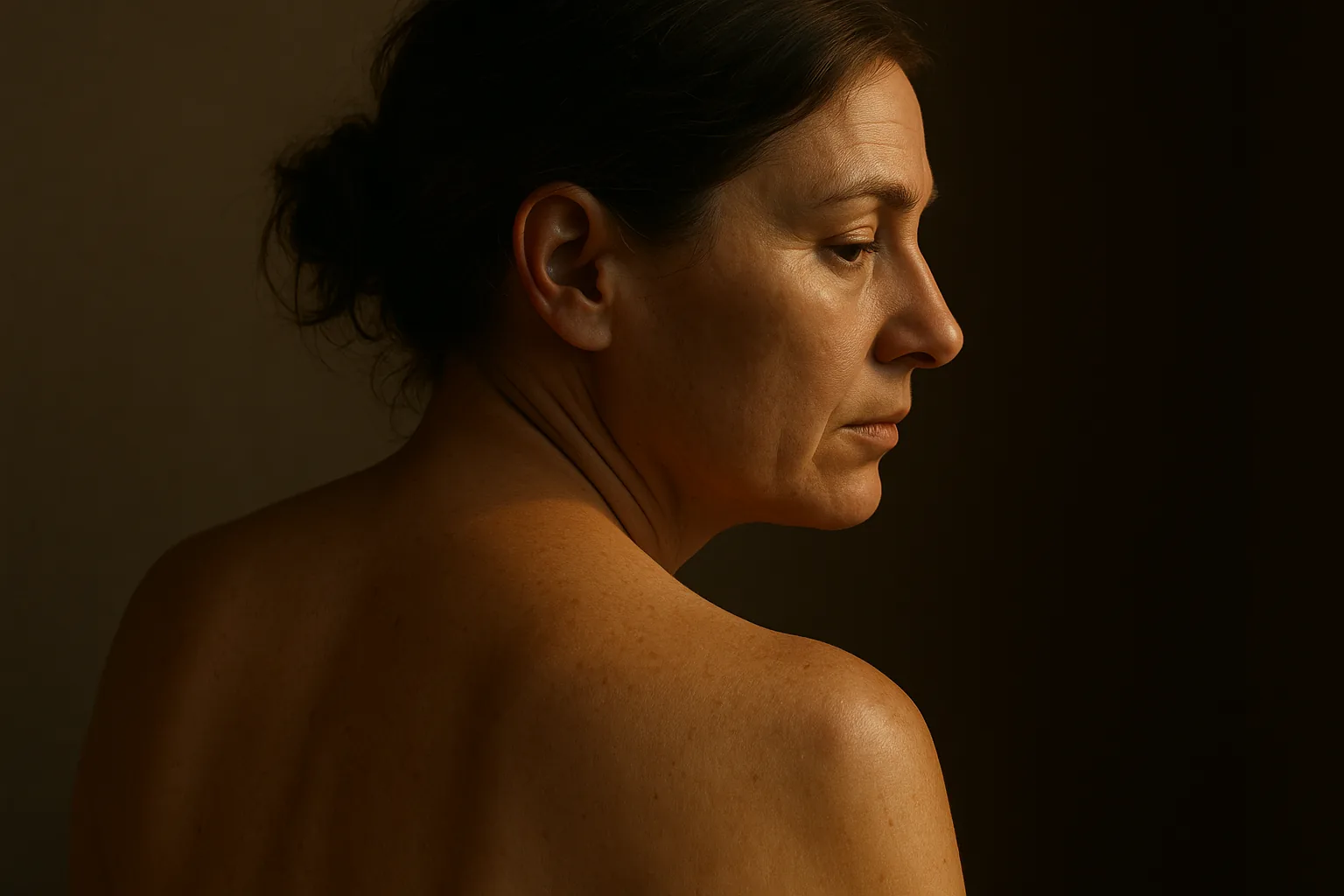
Between work deadlines, long commutes, and the constant rush of everyday life, it's easy to forget how much stress shows on our skin.
Over time, lack of rest, tension, and ageing quietly reshape our appearance. Fine lines deepen, cheeks lose volume, and skin starts to sag in places that once felt firm.
You catch your reflection one morning and realise the subtle changes that crept in over time.
Ageing gracefully doesn't mean giving up your glow. Modern non-surgical rejuvenation treatments now make it possible to restore structure and volume, all without surgery.
Two widely used options are collagen biostimulators and hyaluronic acid (HA) volume enhancement, known for natural-looking, long-lasting results.
They don't just treat the face. These injectables can refine the jawline, neck, and hands, and even rejuvenate delicate areas affected by volume loss.
A biostimulator works by stimulating collagen for gradual, firmer lift, while HA treatments hydrate and plump the skin from the first appointment for a soft, refreshed look.
Yes, you might have heard about them online or in casual chats, but what exactly are they, and how do they work?
While there's an ocean of information out there, it's easy to get lost.
Thankfully, you can contact Dr Rakib Uddin at Aesthetic Doctors Australiato guide you through your options, provide expert consultation, and help you decide which treatment suits you.
What's the Difference Between a Collagen Biostimulator and Hyaluronic Acid?
There's a reason both collagen biostimulators and hyaluronic acid (HA) keep popping up in conversations about natural rejuvenation and body contouring.
Whether it's restoring facial volume, softening fine lines, or filling hip dips and hollows, both have their place but they work very differently.
Understanding how they differ helps you make a confident, informed choice that fits your goals, budget, and skin needs.
What is a collagen biostimulator?
A collagen biostimulator is formulated with calcium-based microspheres; the mineral family naturally found in human bones and teeth.
These microspheres are suspended in a soft, water-based gel carrier. Once injected, the gel gives an immediate volumising effect, while the microspheres work on a cellular level to stimulate fibroblasts (the skin's collagen-producing cells).
Here's what that means in practice:
Over the next few months, your body gradually replaces the gel with new collagen and elastin, rebuilding strength, firmness, and structure from within.
Because your body's own collagen is being restored, results last 12 to 18 months or more, often improving over time.
A biostimulator works well for facial contouring, jawline definition, hand rejuvenation, and non-surgical buttocks enhancement. It gives a firmer, sculpted finish compared with softer HA gels.
The calcium-based material is biocompatible and has been used in medicine for decades, including dental and orthopaedic applications, and it has a long safety record.
A biostimulator suits those looking for structural rejuvenation, firmness, and long-term lift, rather than immediate plumping alone.
What is hyaluronic acid (HA) volume enhancement?
HA treatments, on the other hand, are based on hyaluronic acid, a sugar molecule that naturally occurs in your skin, connective tissue, and eyes.
It has a remarkable ability to bind and retain up to 1,000 times its weight in water, which is why HA treatments are known for their smoothing and plumping effect.
The science is simple yet fascinating:
When injected, HA integrates with your skin tissue, attracting moisture and creating a natural, hydrated volume.
You can see a change straight away, which makes it well suited to lips, under-eyes, cheeks, or anywhere that needs a soft, supple touch.
HA gels can be safely dissolved with an enzyme called hyaluronidase, which is reassuring, especially for patients new to cosmetic treatments.
Beyond volume, HA injections help improve overall skin texture, elasticity, and glow over time.
HA volume enhancement suits those seeking subtle, natural change with flexibility and control over their results.
[Read:Fine Lines vs Deep Wrinkles: Which Aesthetic Options Work Best?]
At a Glance: Collagen Biostimulator vs Hyaluronic Acid
Feature / Factor | Collagen biostimulator | Hyaluronic acid (HA) |
Main Ingredient | Calcium-based microspheres in gel | Hyaluronic Acid (HA) gel |
Scientific Basis | Biostimulation: activates collagen and elastin production | Hydration: binds water to plump and smooth tissue |
Texture Feel | Firm, supportive, sculpted | Soft, flexible, hydrated |
Onset of Results | Gradual: improves as collagen builds | Immediate: visible right after injection |
Longevity | 12 to 18 months or longer | 6 to 12 months |
Reversibility | Not dissolvable (naturally metabolised) | Easily reversible with hyaluronidase |
Best For | Structural lift, contouring, hands, buttocks, jawline | Lips, cheeks, under-eyes, fine lines, subtle lift |
Effect Type | Rejuvenates and strengthens over time | Hydrates and enhances instantly |
Often chosen by | Mature skin, collagen loss, sculpting | First-timers, hydration seekers, subtle refinements |
Material Safety | Biocompatible, used in medicine for decades | Naturally found in the human body |
In essence, the biostimulator builds - HA hydrates.
Both can achieve remarkable, natural-looking results when chosen wisely.
How Long Does a Biostimulator Last Compared to Hyaluronic Acid?
When you're weighing up treatment, it's only natural to wonder -how long will the results last?
The answer depends on the filler's science and how your body responds.
A collagen biostimulator, among the longer-lasting injectable options, typically lasts 12 to 18 months or more.
Its secret lies in its collagen-stimulating effect; the calcium-based microspheres don't just fill; they help your skin rebuild structure and firmness over time.
Even after the gel fades, your body continues producing fresh collagen, keeping your results looking firm and natural.
Hyaluronic acid treatments, on the other hand, last 6 to 12 months.
They deliver immediate volume and hydration, but because the HA gel gradually dissolves, touch-ups are often needed sooner to maintain that fresh, plump appearance.
Maintenance and Touch-Up Timelines
- Biostimulator duration: Most patients enjoy visible results for up to 18 months, with minor touch-ups every 12-15 months to maintain collagen support and skin firmness.
- HA longevity: Expect to refresh results every 6-9 months, depending on the area treated, metabolism, and product used.
Results evolve differently for everyone, and regular maintenance keeps your skin looking balanced and natural.
Where Is a Biostimulator Used vs Hyaluronic Acid?
The two behave differently, and where each shines depends on its texture, thickness, and how it interacts with your tissue. Think of it as choosing the right brush for the right canvas.
A biostimulator is thicker and more structured, suited to areas that need lift, contour, and definition. Because it stimulates collagen, it doesn't just fill, it rebuilds.
That's why it's often used for:
- Jawline and Chin Sculpting: Creates sharp, defined angles with long-lasting firmness.
- Cheeks and Nasolabial Folds: Restores mid-face volume and smooths deep folds.
- Hands: Rejuvenates thinning skin for a smoother texture.
- Body Contouring: Increasingly used for hip dips, butt lifts, and saddlebag correction, offering subtle, natural volume where needed most.
Hyaluronic acid gels, on the other hand, are softer and more fluid; well suited to delicate zones that need hydration and flexibility, such as:
- Lips: Adds plumpness and definition without stiffness.
- Under-Eyes & Tear Troughs: Smooths hollows and fine lines for a refreshed look.
- Fine Lines: Suited to light rejuvenation and skin smoothing.
The key difference lies in viscosity. How?
The biostimulator's firm structure supports and lifts, while HA's gel-like texture blends with your natural tissue.
Together, they give practitioners like Dr Rakib the freedom to tailor treatments that sculpt, smooth, and restore (from face to body) with precision and artistry.
Top 9 FAQs About Collagen Biostimulators vs Hyaluronic Acid in Melbourne
1. Can a biostimulator be used in the body, like hip dips or buttock enhancement?
Yes. When injected by a qualified practitioner, the calcium-based formula provides natural volume and collagen stimulation in areas like hip dips, saddlebags, and buttocks.
It suits patients seeking non-surgical body contouring in Melbourne with long-lasting lift.
2. Which looks more natural; a biostimulator or hyaluronic acid?
Both can look natural when done correctly. The right choice depends on your anatomy, age, and aesthetic goal, something best determined during a consultation in Melbourne.
3. Is a biostimulator or hyaluronic acid better for mature skin?
Mature skin often benefits more from a biostimulator since it rebuilds collagen and improves firmness over time.
However, HA treatments are still useful for restoring hydration and smoothing fine lines. Some Melbourne patients may benefit from a carefully planned combination of both, depending on their anatomy, skin quality and treatment goals.
4. What's recovery like after a biostimulator compared to HA treatment?
Both treatments are minimally invasive with little downtime. You may notice mild swelling or bruising that subsides within days.
A biostimulator may feel slightly firmer at first, while HA settles faster. Results continue to refine as your skin naturally adapts.
5. How much do biostimulator and HA treatments cost in Melbourne?
Prices vary depending on the injector's expertise, the treatment area, and the amount of product used.
Generally, a biostimulator costs slightly more due to its collagen-stimulating technology and longevity. A personalised consultation gives you an accurate estimate based on your goals.
6. Can a biostimulator or HA treatment help facial asymmetry?
Yes, both can correct imbalance or uneven volume. A biostimulator works well for deeper contouring or restoring structure, while HA suits precise, subtle adjustments.
Dr Rakib often uses filler mapping to achieve facial harmony that feels natural and balanced.
7. Who should avoid biostimulators or hyaluronic acid treatments?
Patients with active infections, autoimmune disorders, pregnancy, or certain allergies should avoid treatment.
A qualified cosmetic injector will assess your medical history before any injectable procedure.
8. Does a biostimulator or HA work better for men?
Both work well, but men often prefer a biostimulator for its firm texture and structural definition, particularly for a stronger jawline or cheekbone contour.
HA treatments can still be used for subtle refinements or hydration, depending on desired results.
9. How do I know which treatment is right for me?
It depends on your desired results, comfort level, and skin condition. The practical next step is to book a consultation in Melbourne with Dr Rakib for a tailored treatment plan and realistic, natural-looking results.
The Bottom Line
Both collagen biostimulators and hyaluronic acid have their place; the right one depends on what your skin needs.
When deciding between collagen stimulation and deep hydration, remember that your skin tells its own story, and the right treatment should complement that, not change it.
If you're unsure which suits you, don't guess.
Get guidance from someone who truly understands the science behind your skin.
Book a personalised consultation in Melbourne and find out whether a biostimulator or hyaluronic acid fits your aesthetic goals.
Contact Dr Rakib for a professional consultation. Call [0451 670 083](tel:0451 670 083) or book online to arrange a time.
BOOK A CONSULTATION